
Hidden House – a striking new home in the Surrey green-belt
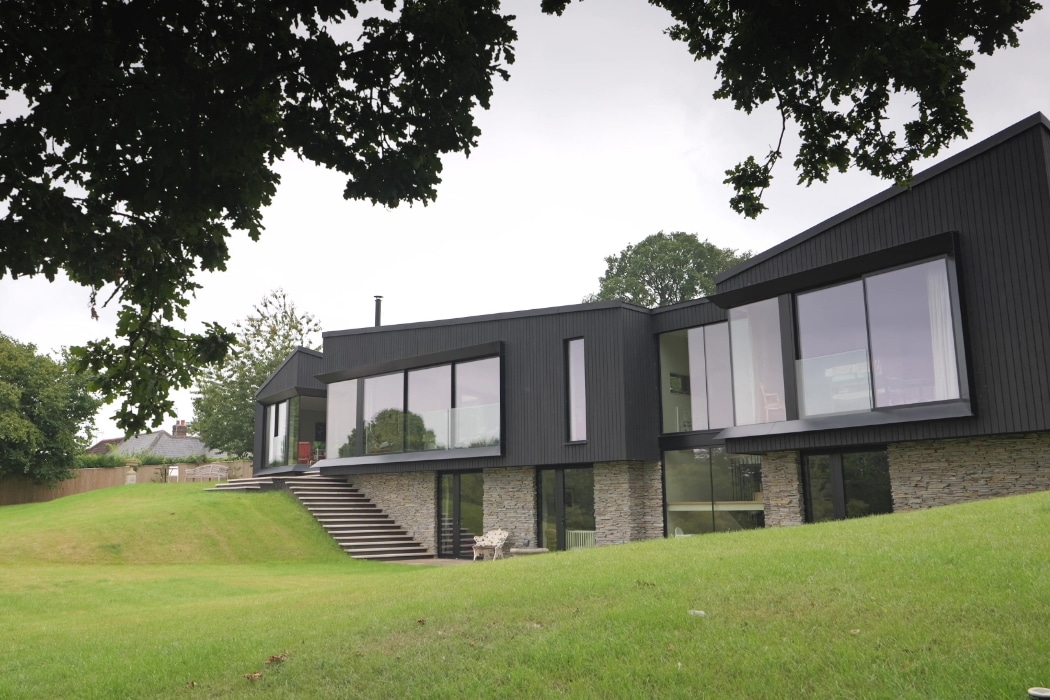
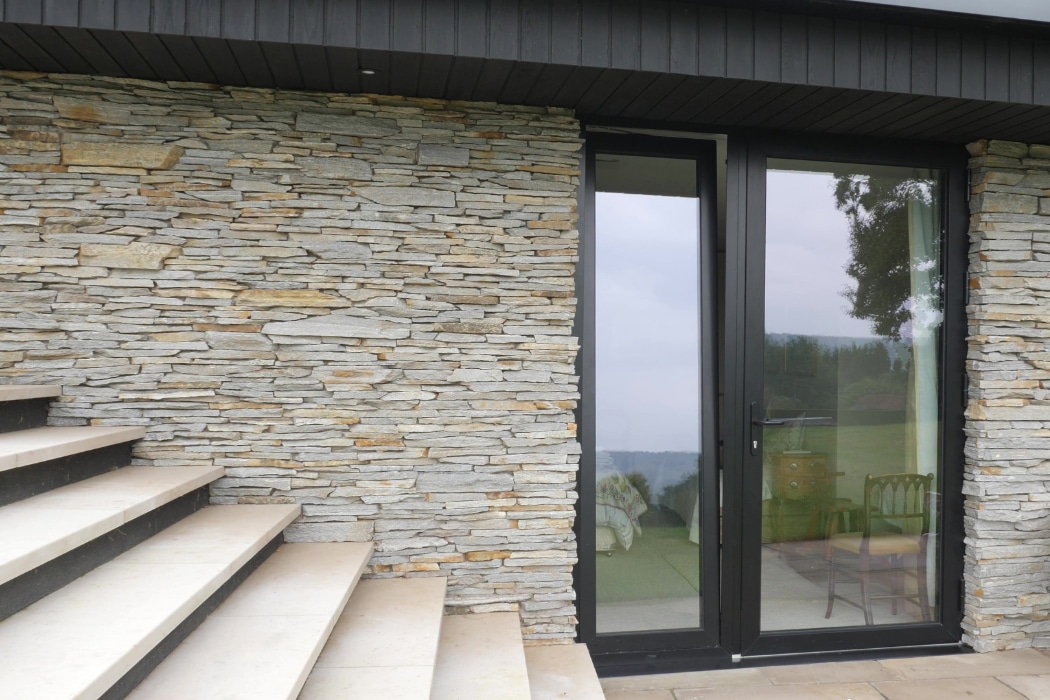
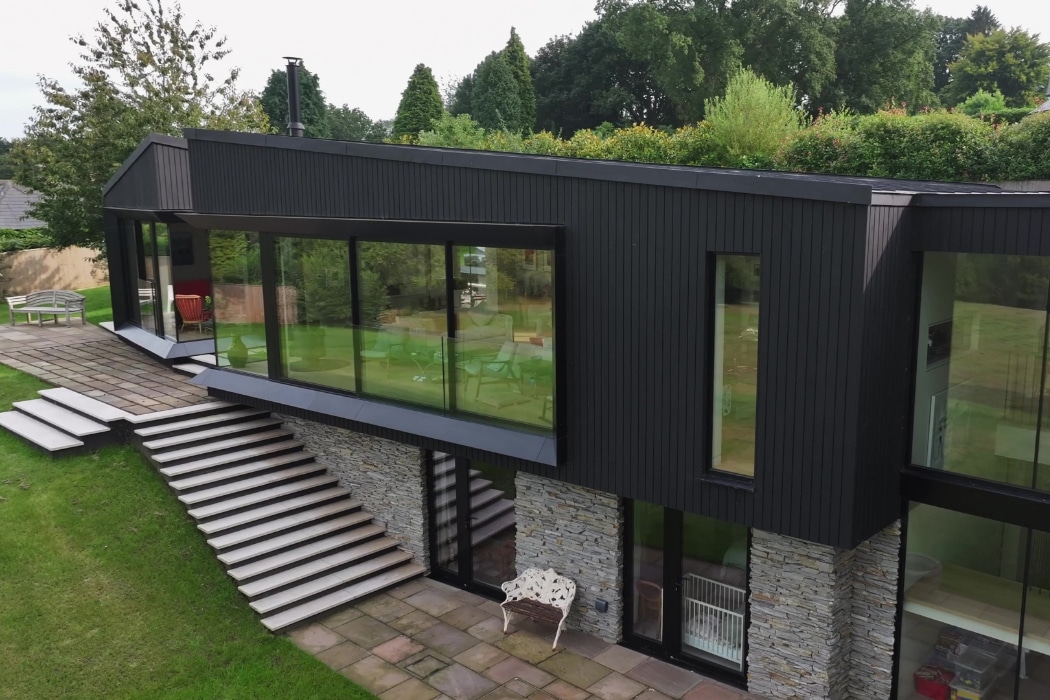
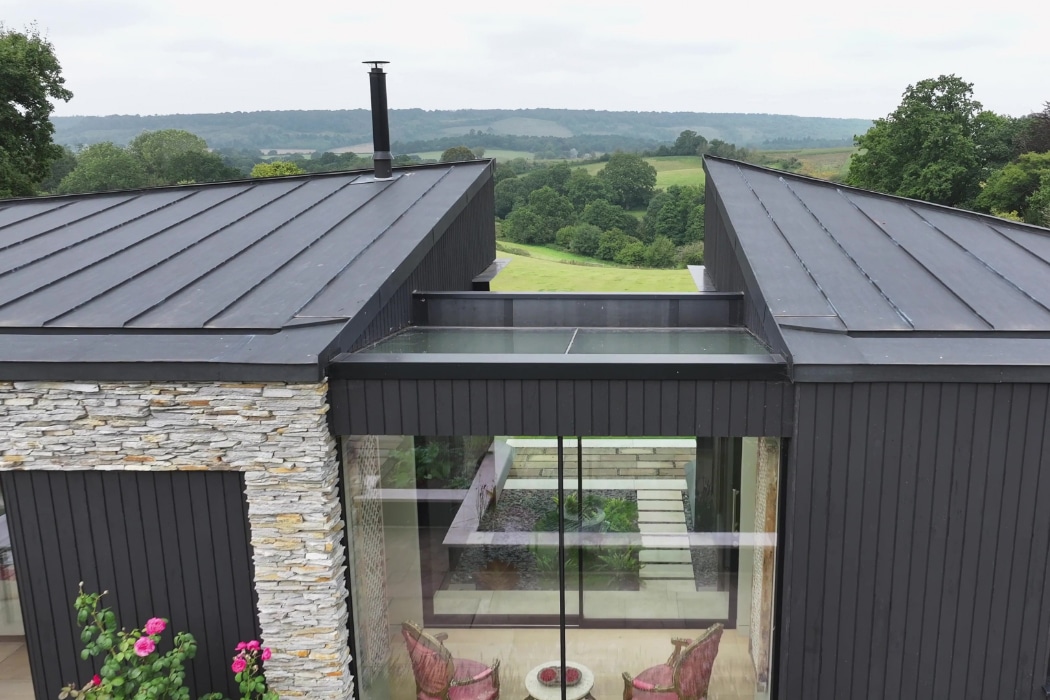
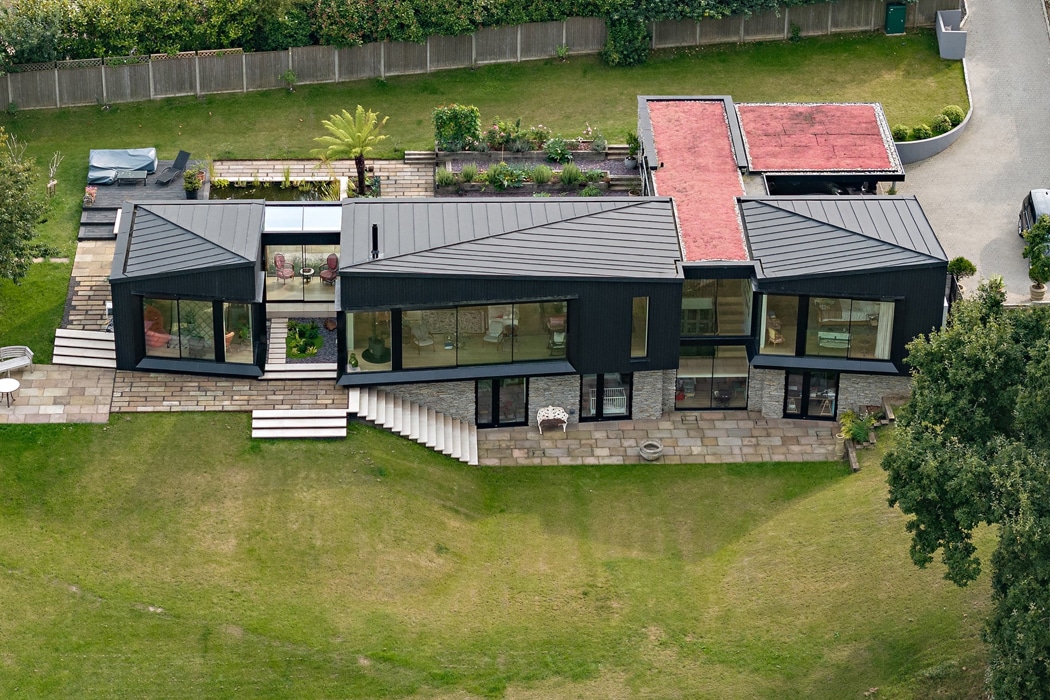
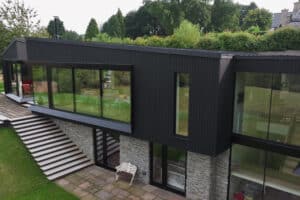
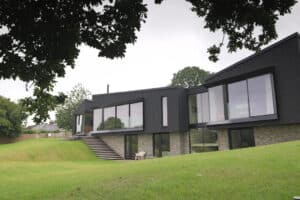
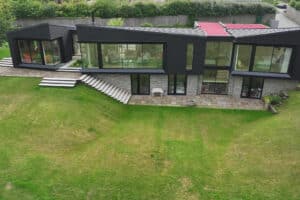
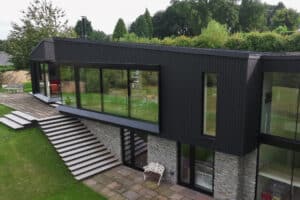
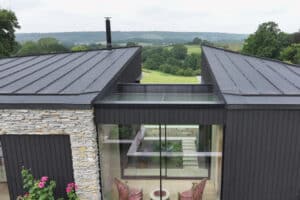
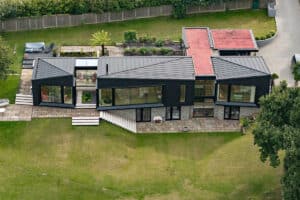
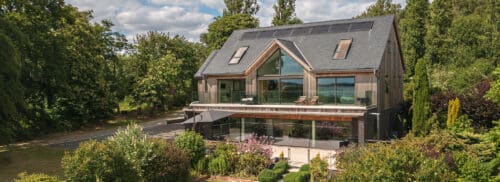
Nestled within the Surrey Hills Area of Outstanding Natural Beauty, Hidden House is a striking replacement for a 1960s bungalow in Abinger Hammer. Designed by Duncan Foster Architects, the new home sits within the green belt, where strict planning regulations demanded a careful approach to scale, volume and architectural expression.
Designing within green belt constraints
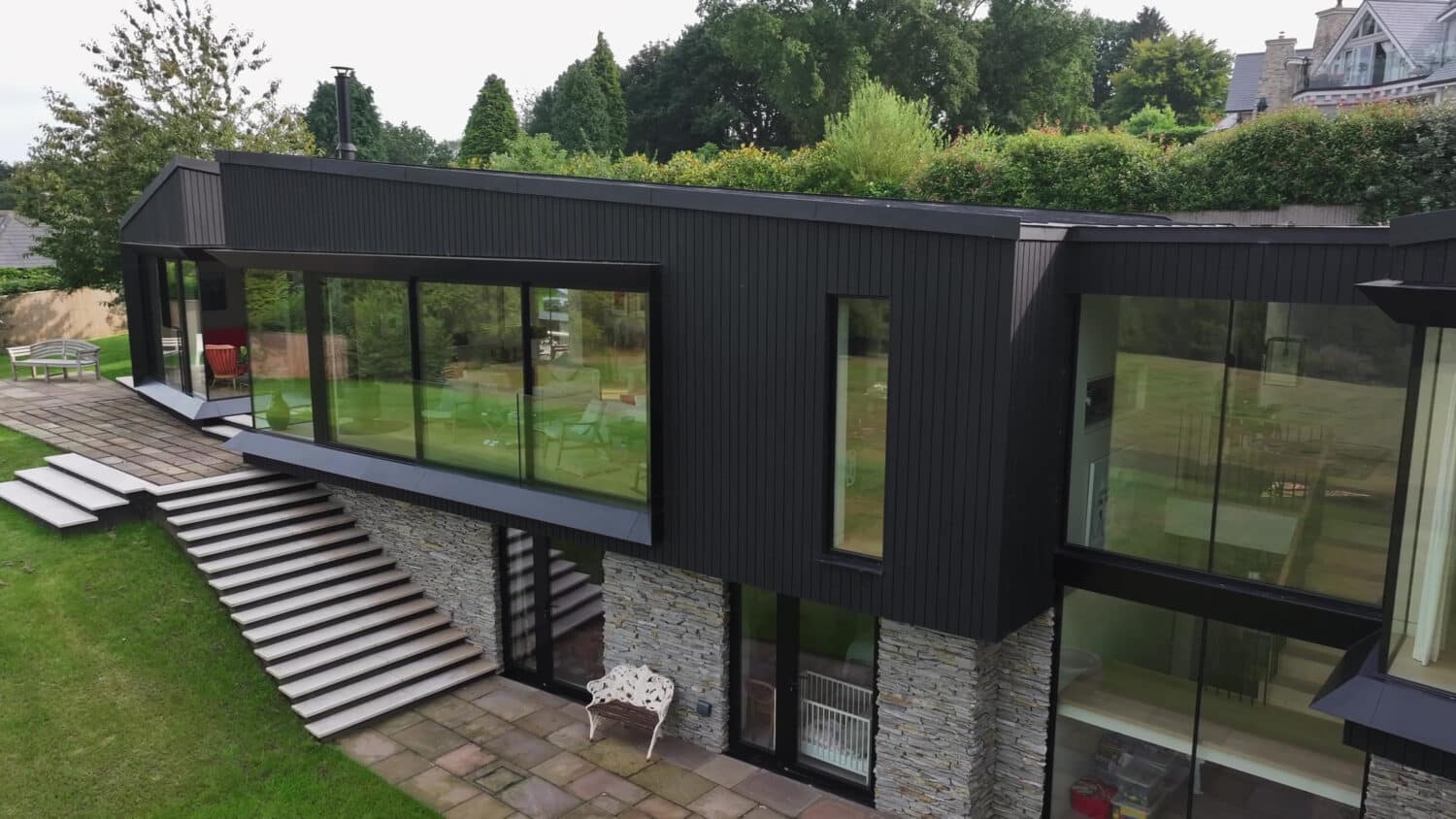
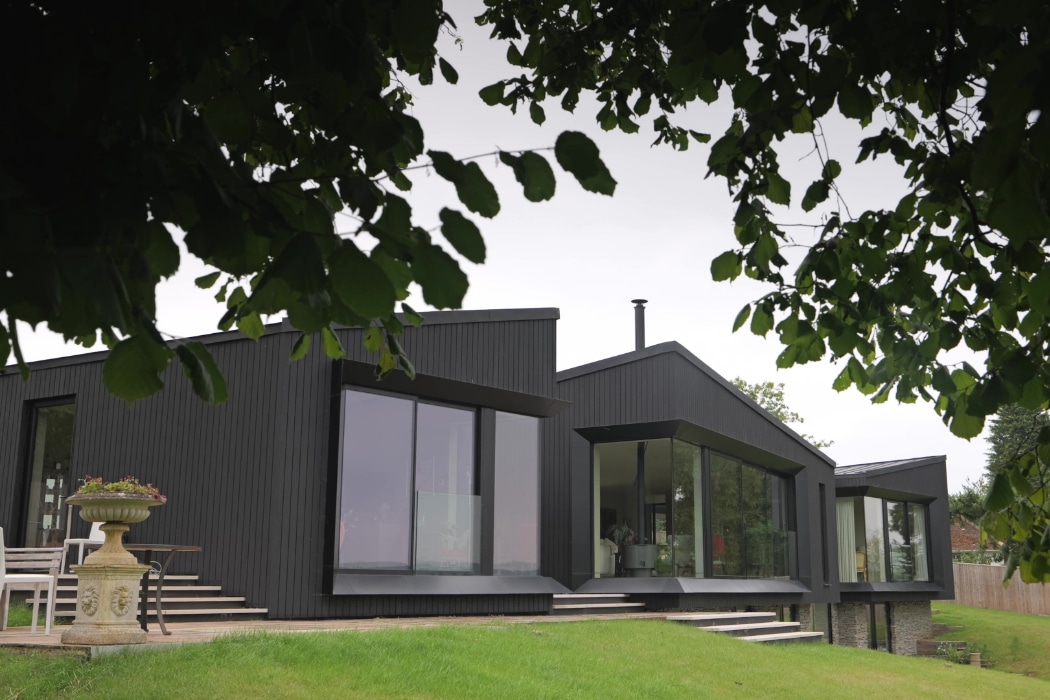
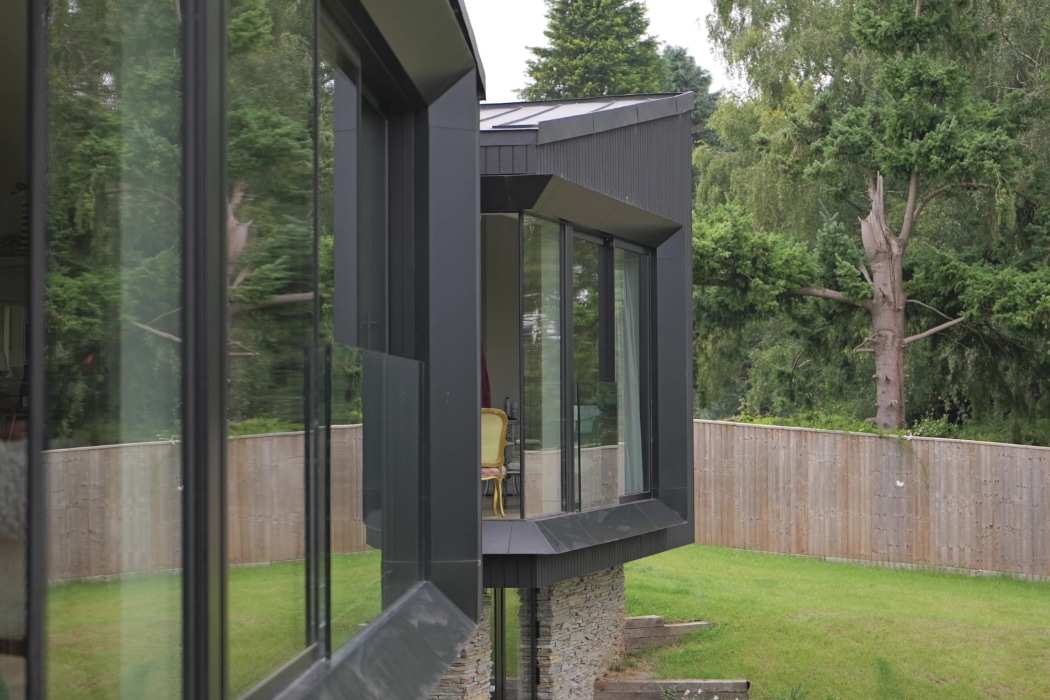
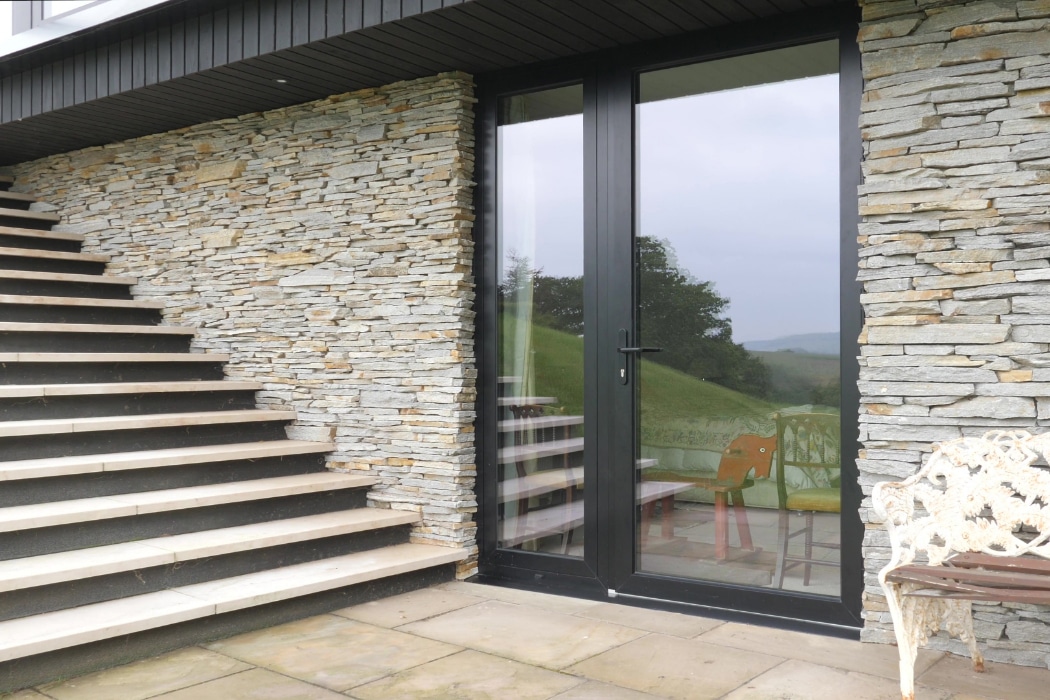
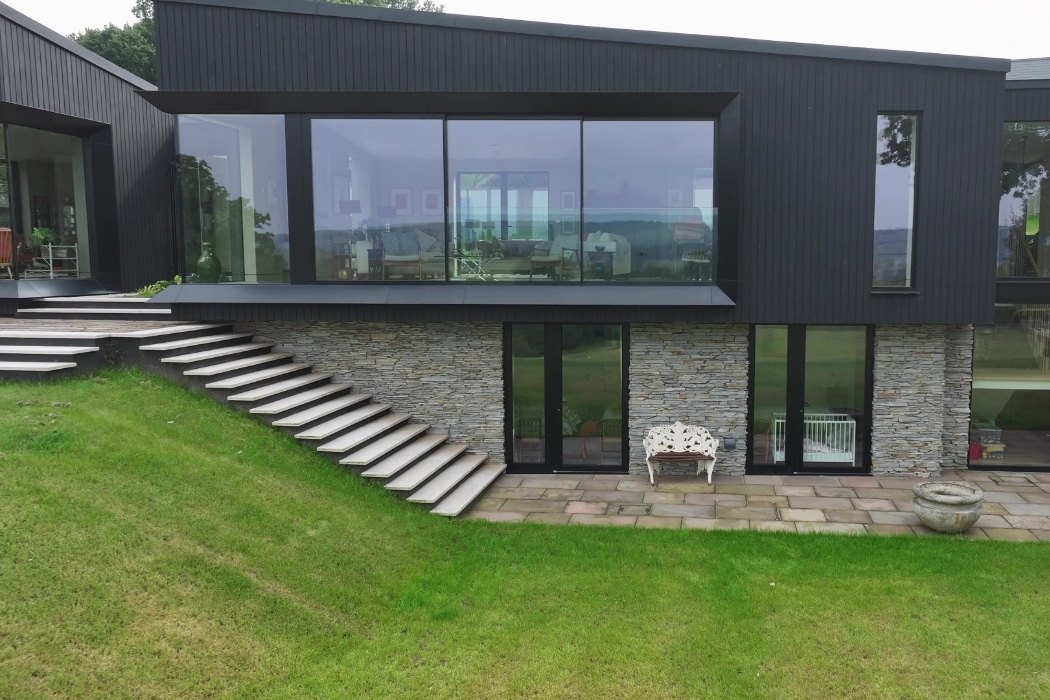
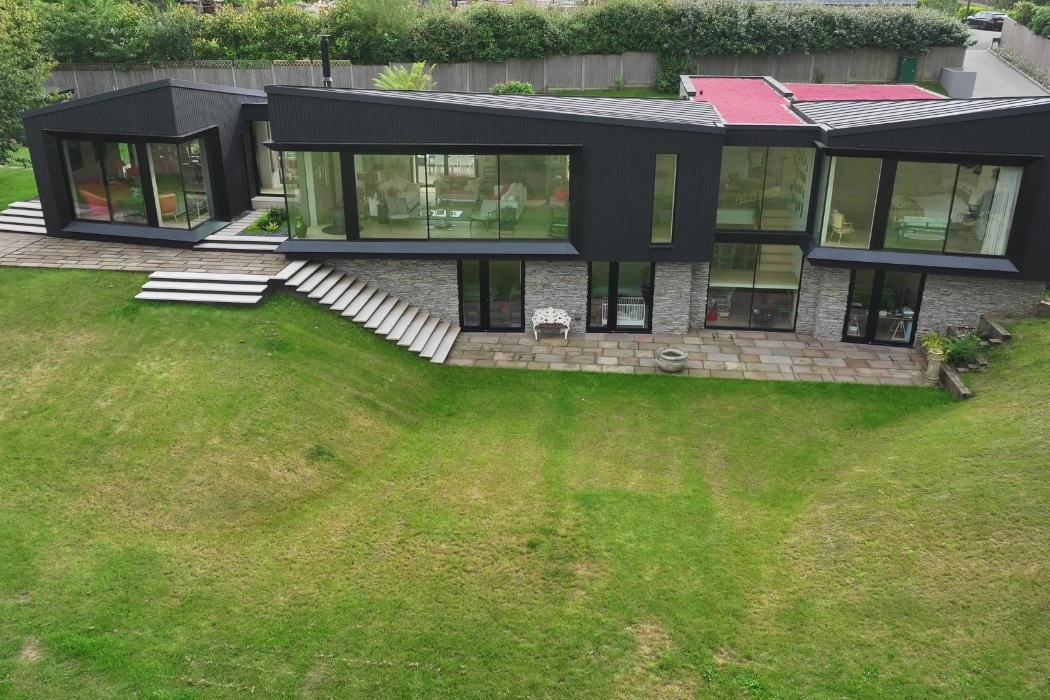
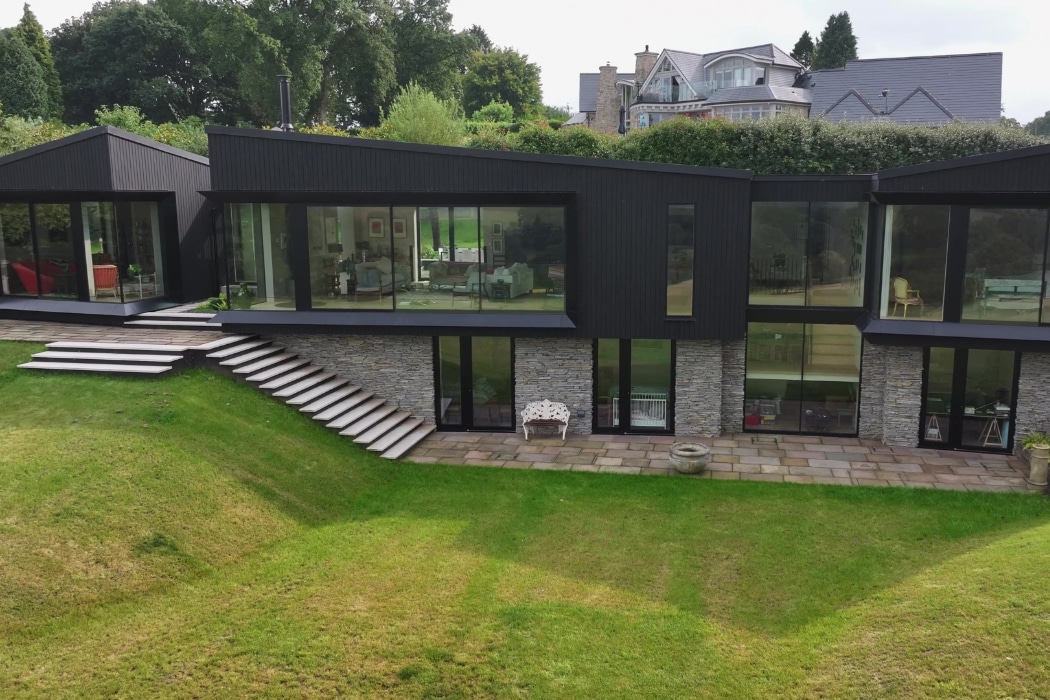
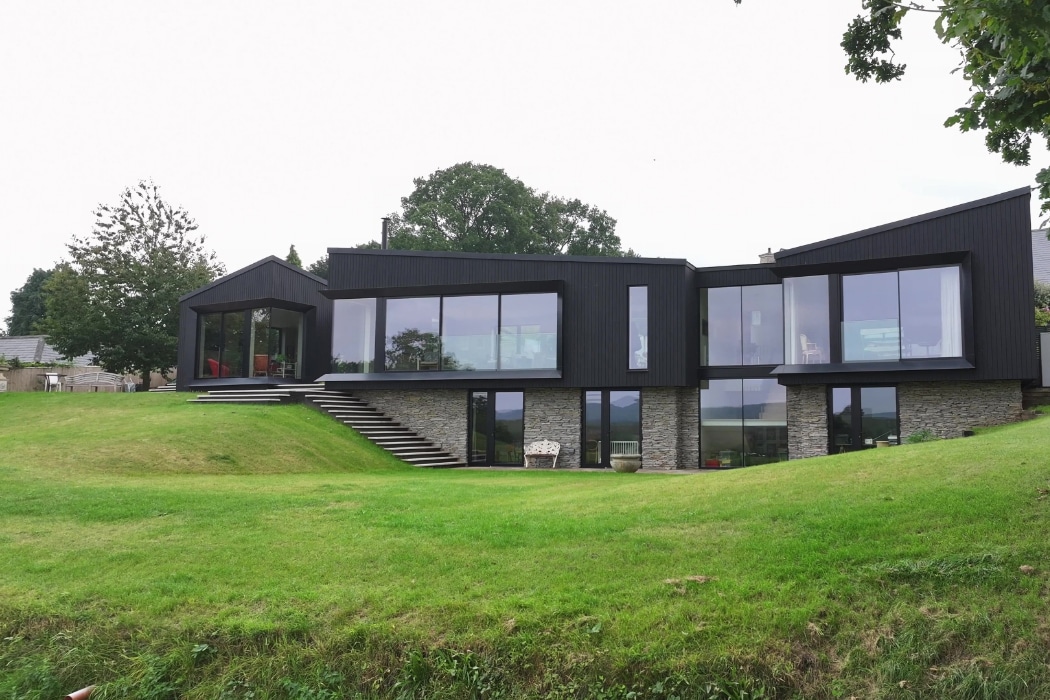
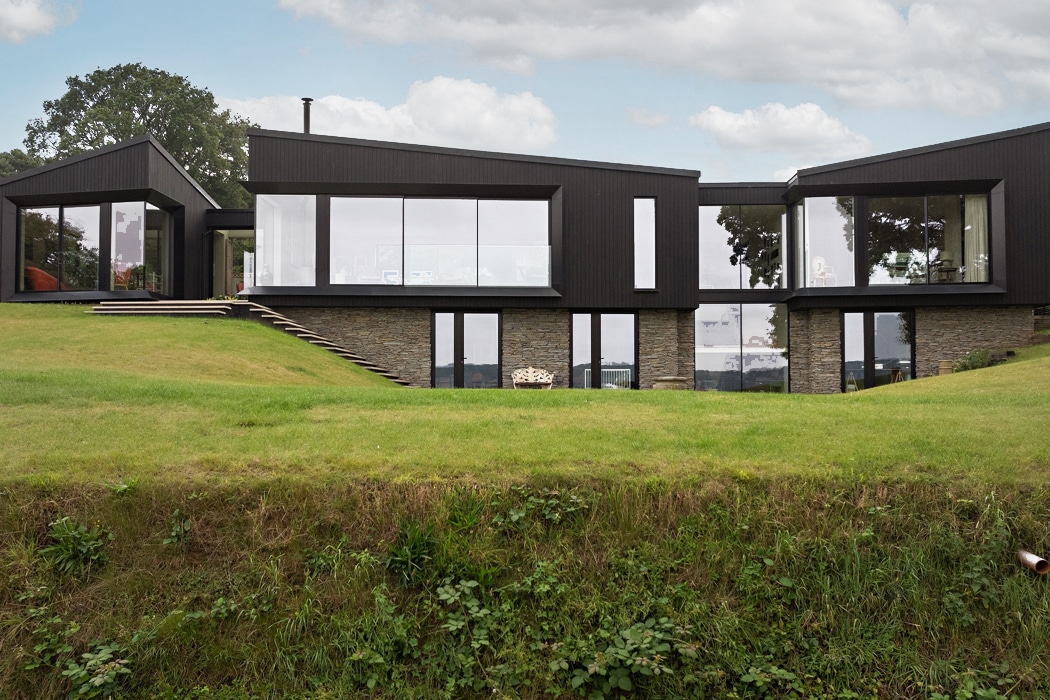
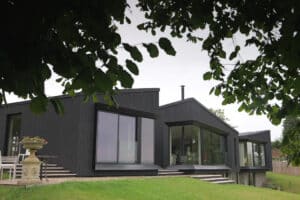
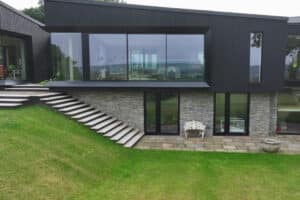
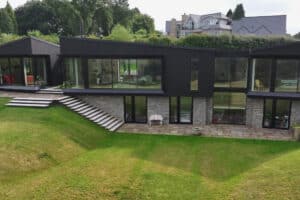
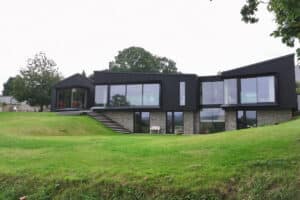
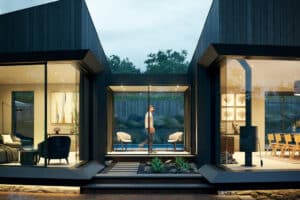
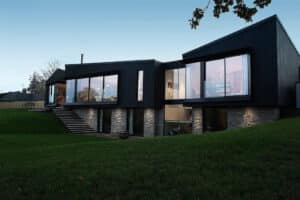
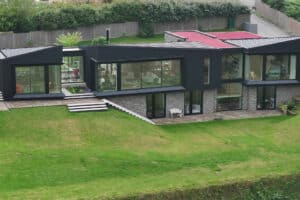
To work within planning limits, the architectural concept centred on an efficient, compact form. The house was conceived as an upside-down home: the main living spaces, master suite and snug are positioned at the upper ground level, maximising light and panoramic views, while guest accommodation is discreetly carved into the landscape at the lower level.
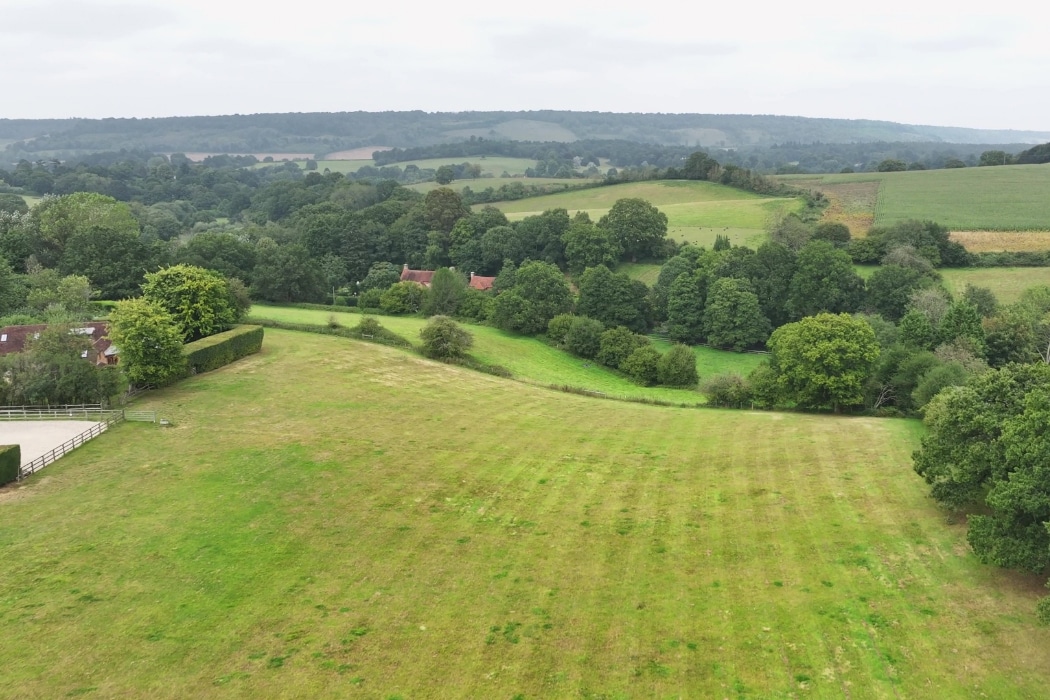
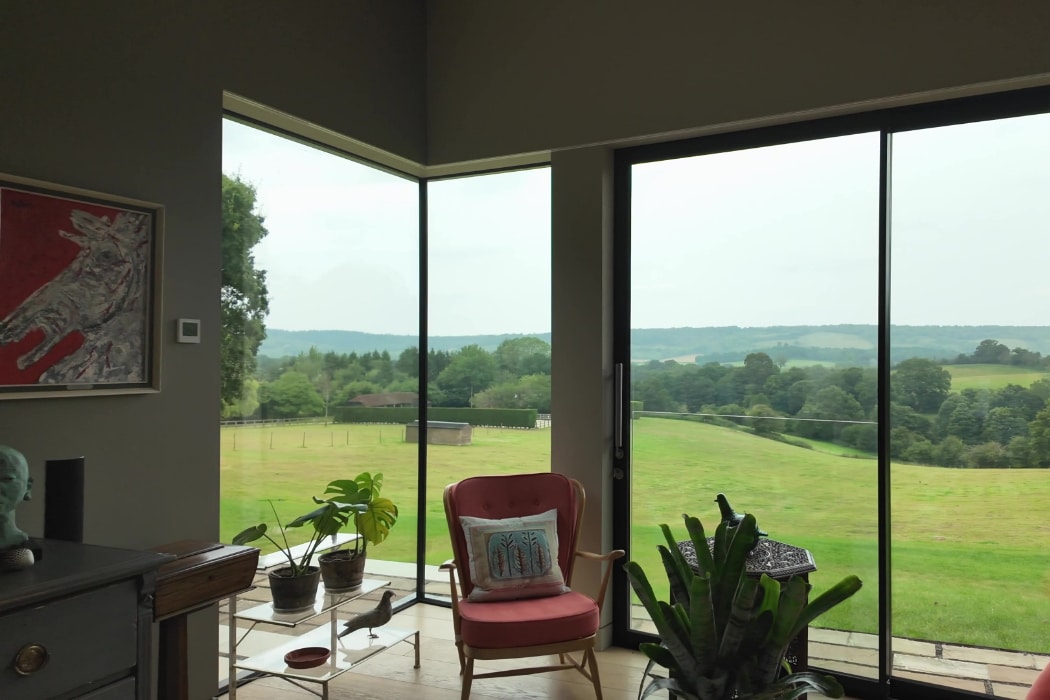
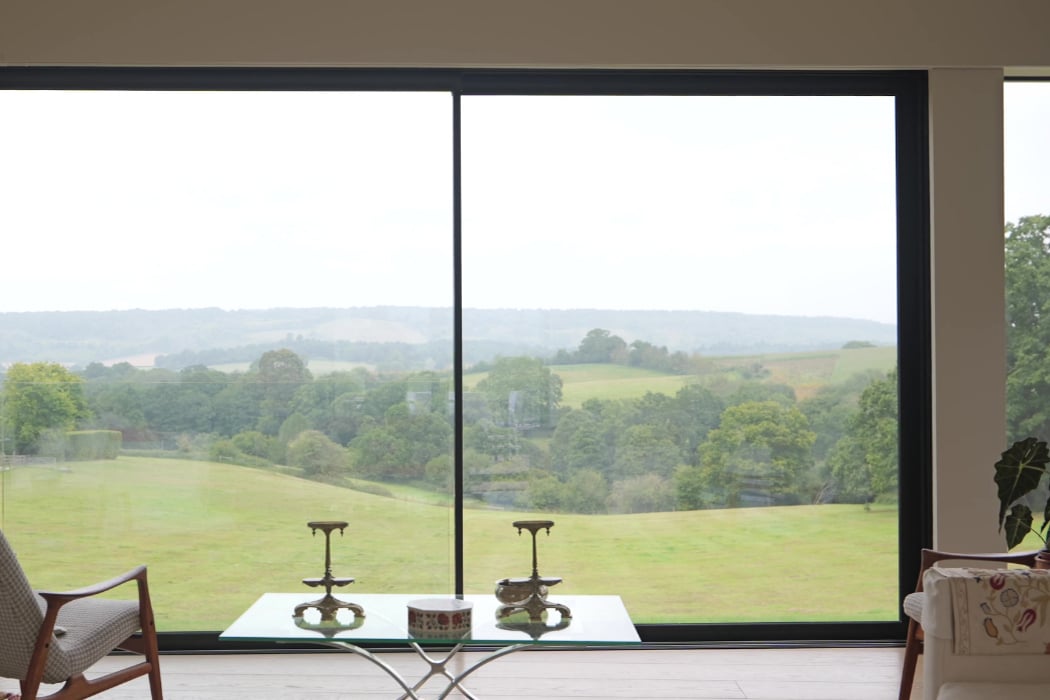
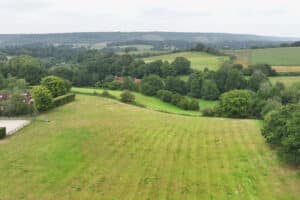
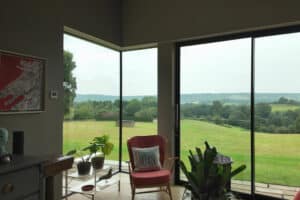
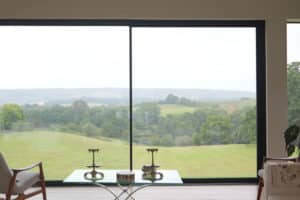
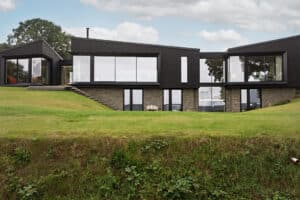
The northerly orientation of the site offered a unique opportunity. With minimal concerns about overheating, the north elevation could incorporate extensive glazing to frame the sweeping views across the valley. By contrast, glazing to the south was strategically controlled to minimise solar gain while still allowing light to penetrate deep into the home.
Capturing the landscape
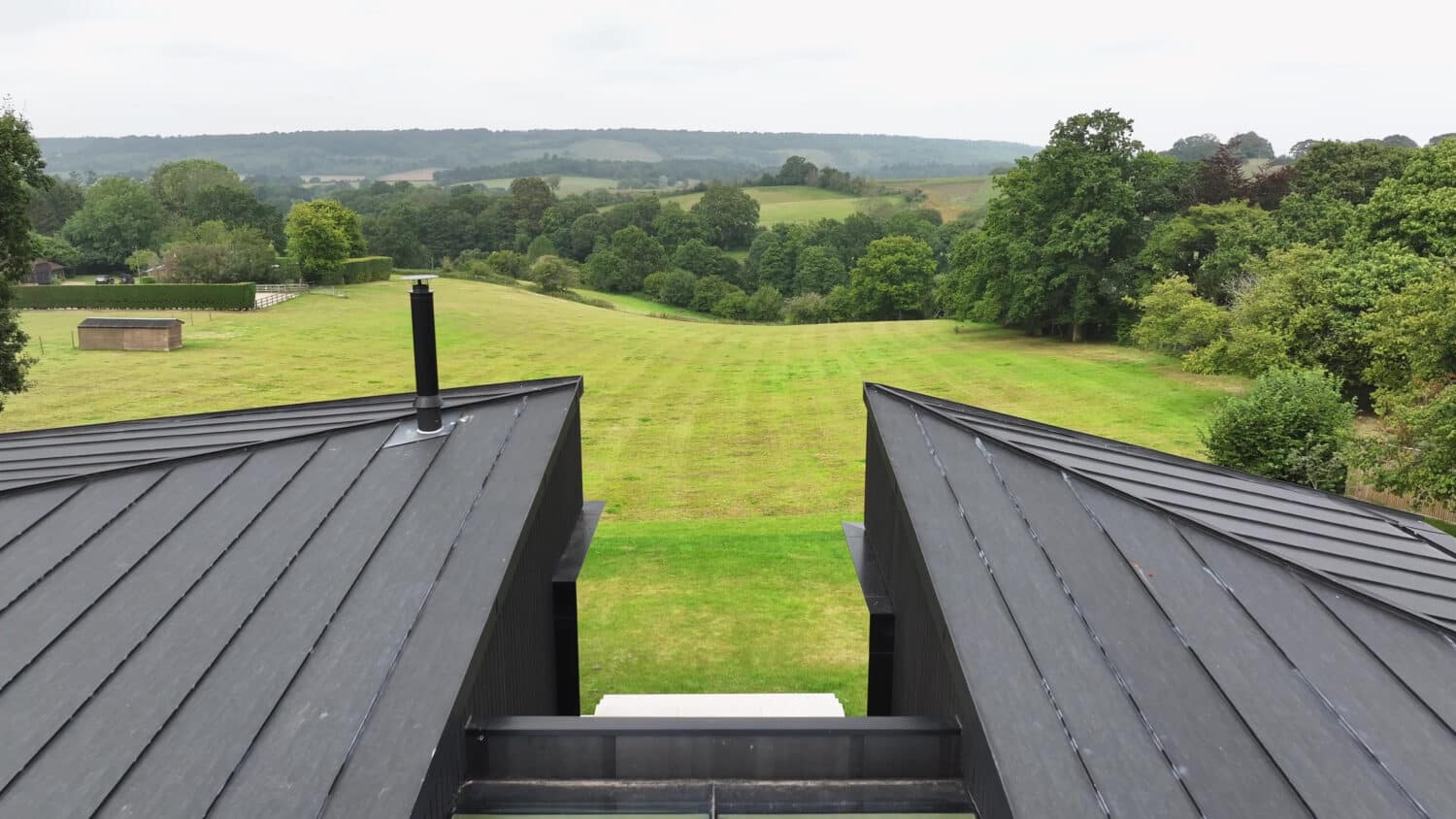
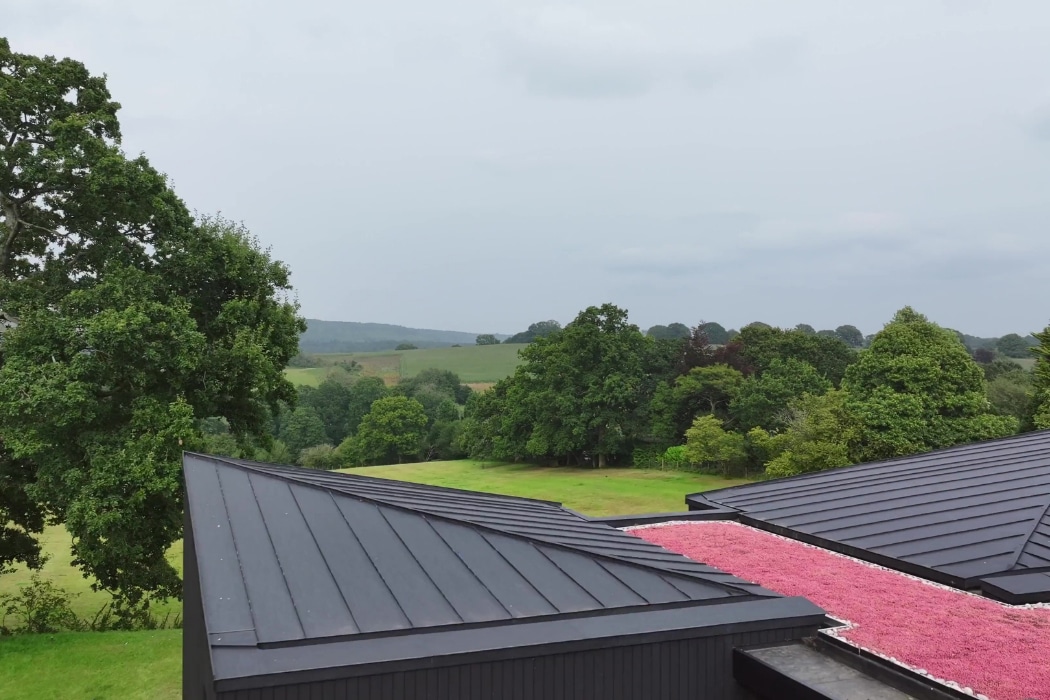
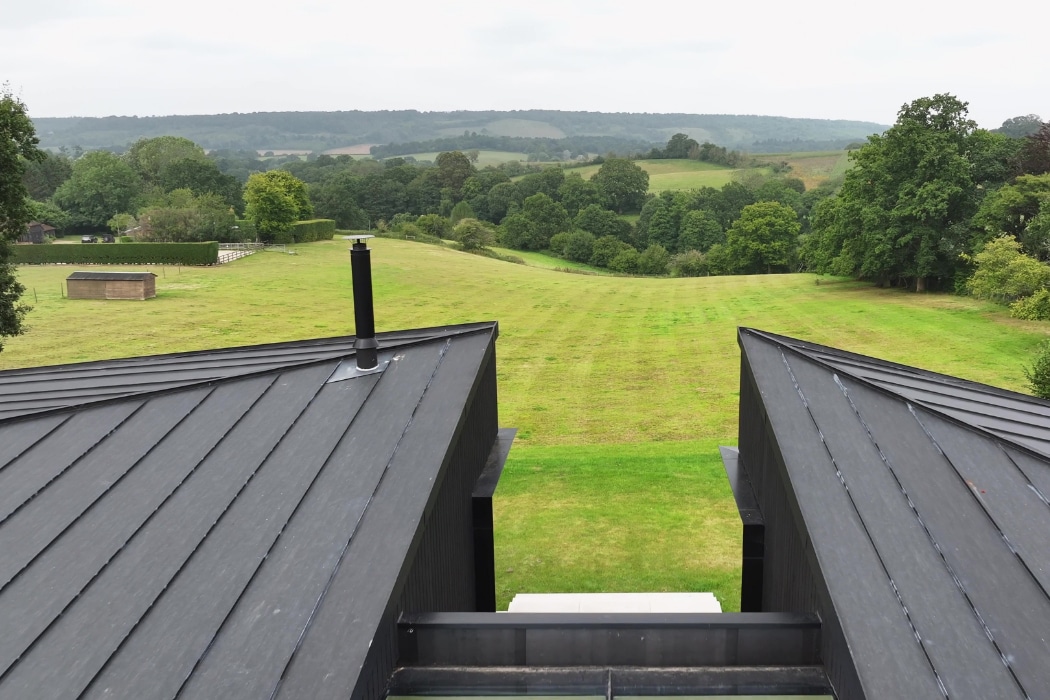
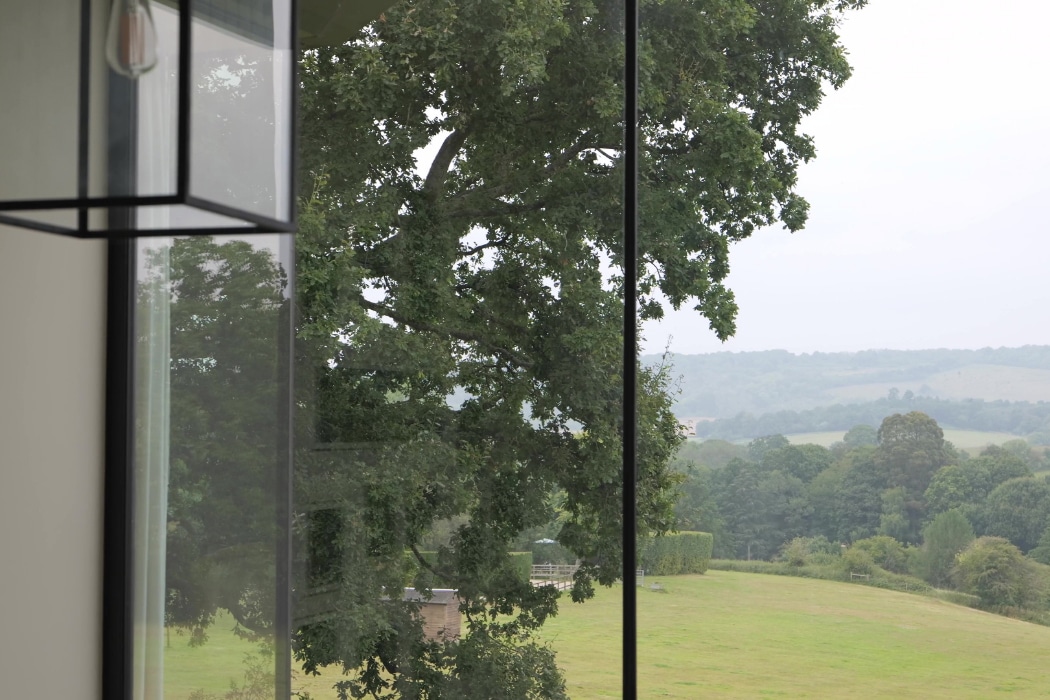
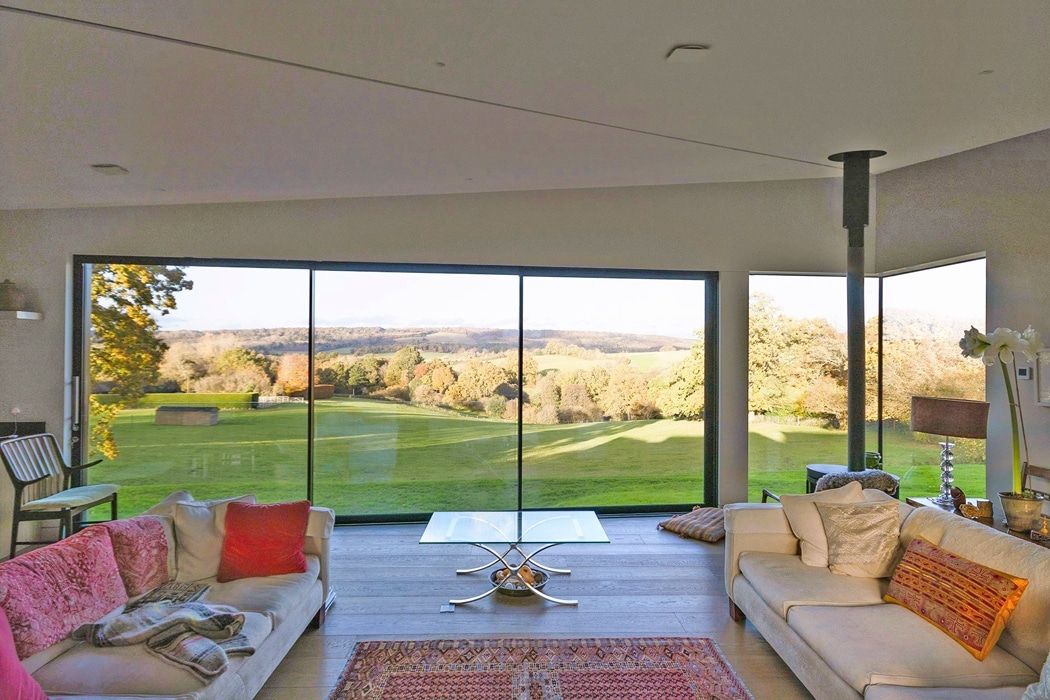
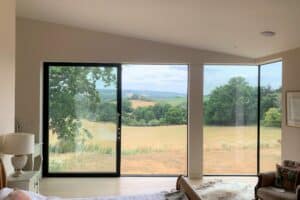
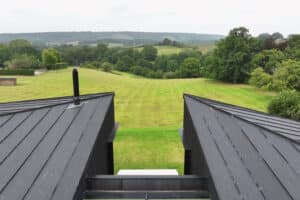
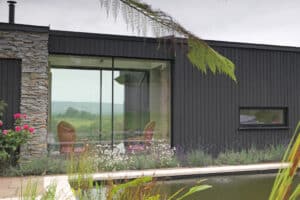
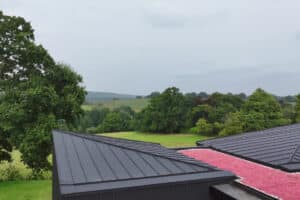
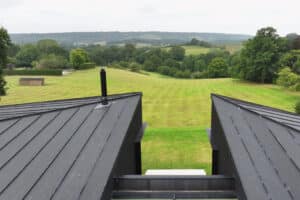
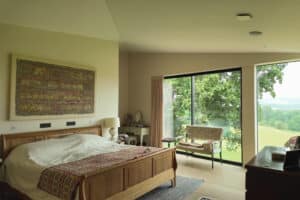
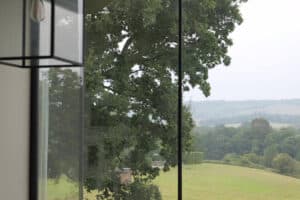
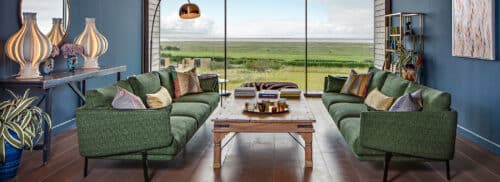
The design’s guiding principle was to connect every space to the surrounding countryside. Carefully positioned windows ensure that every room enjoys an uninterrupted visual link to the horizon, while the rooftop forms respond to the natural angles and contours of the wider landscape.
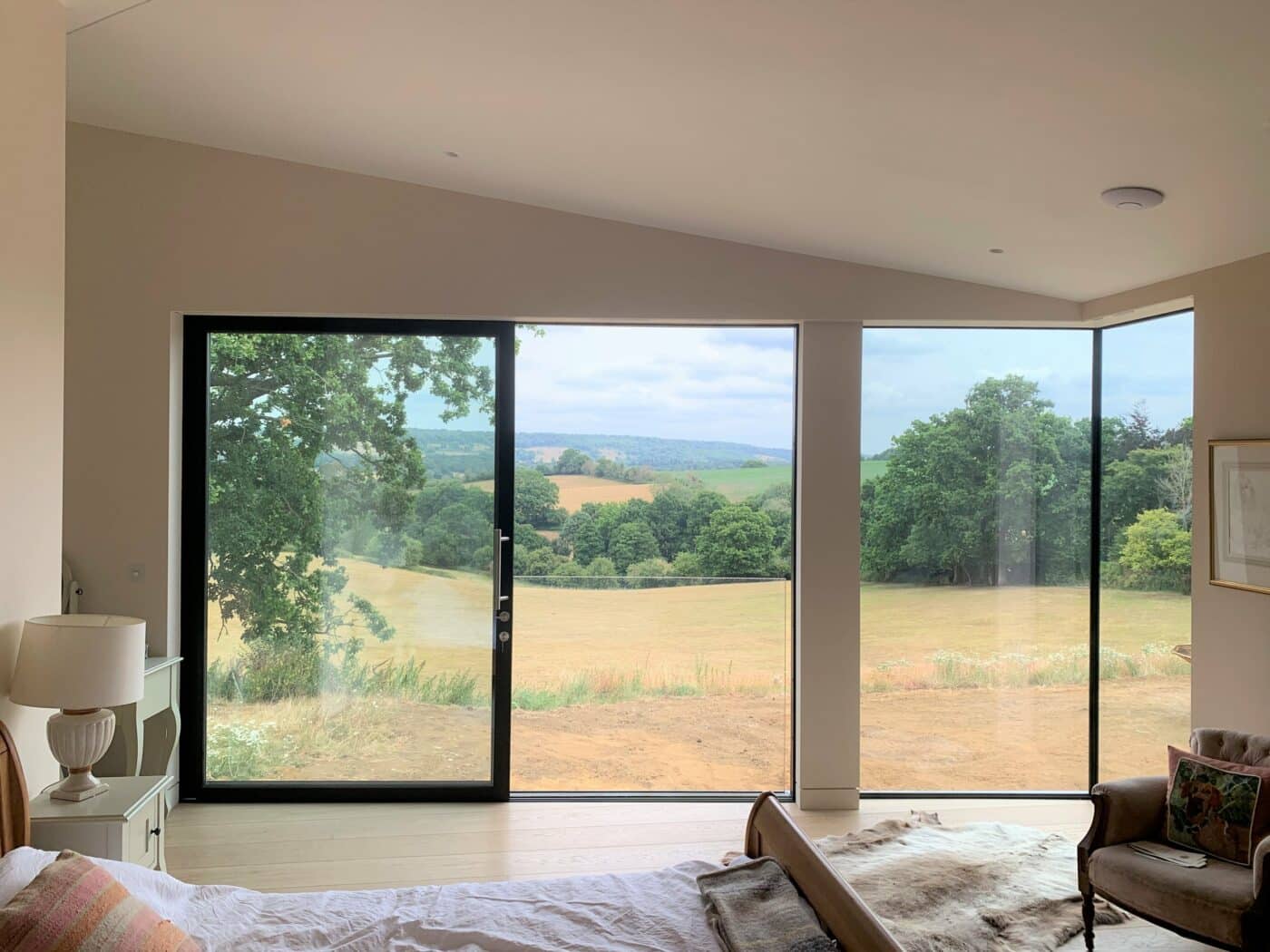
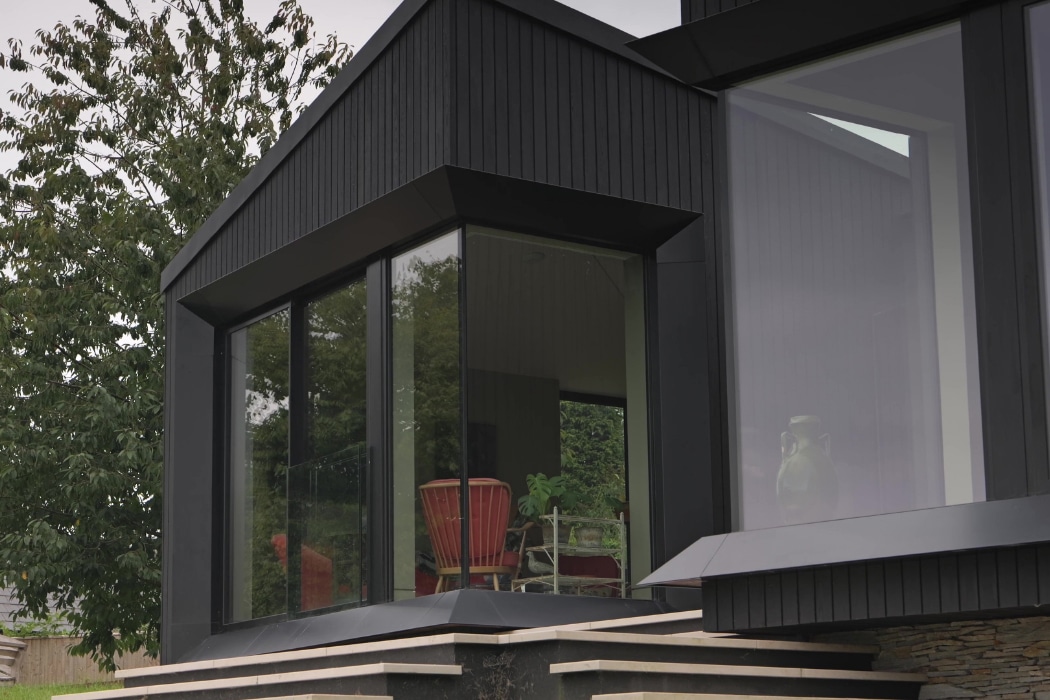
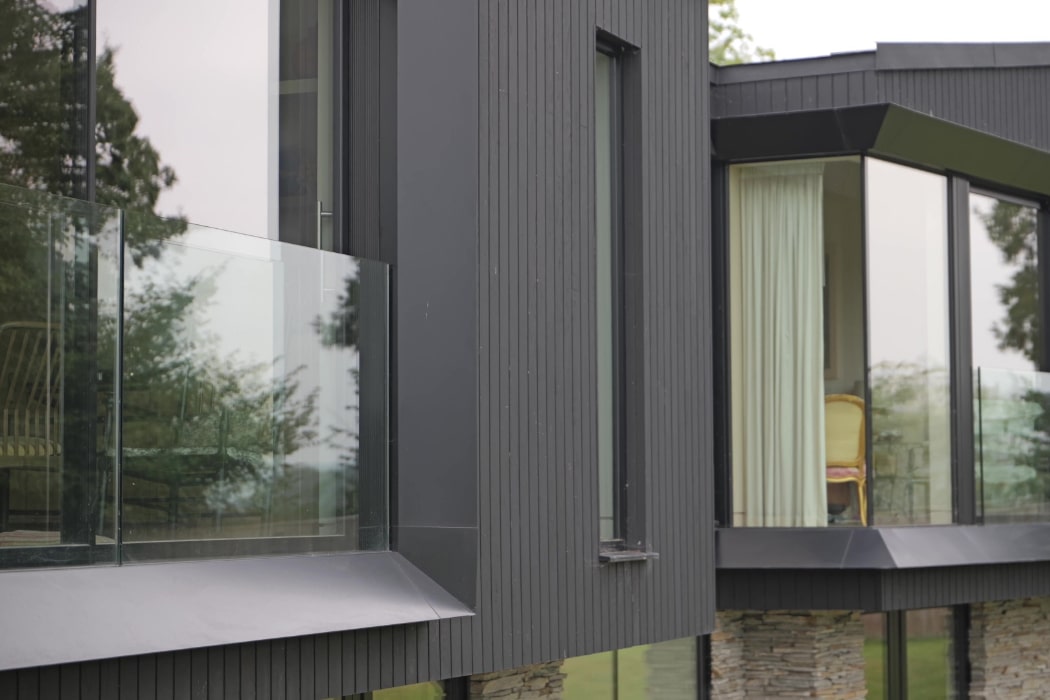
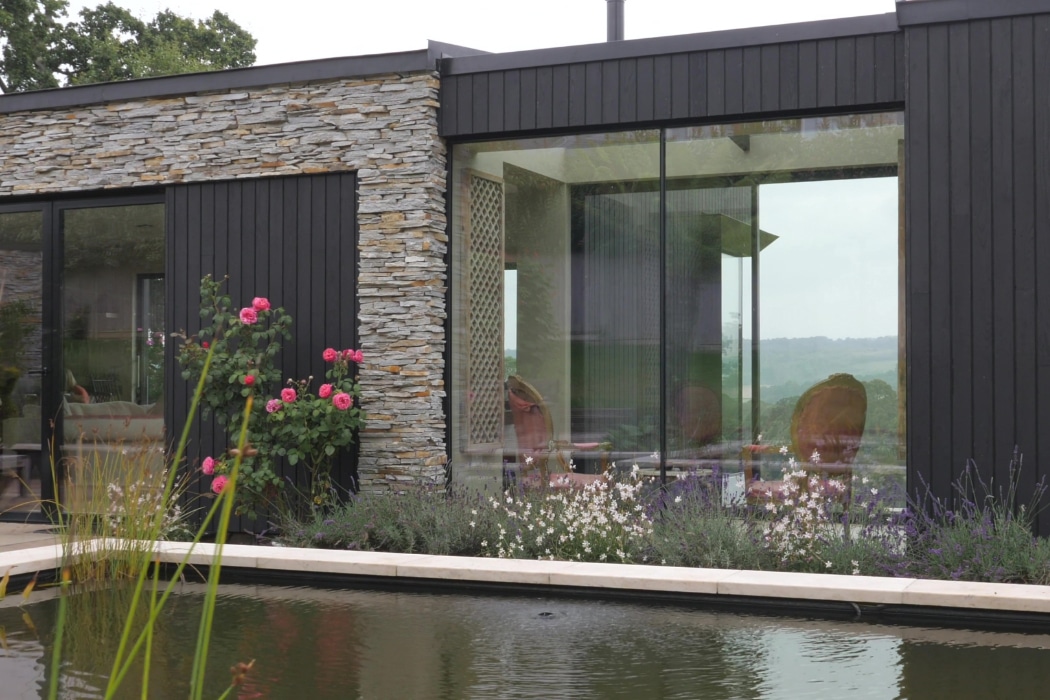
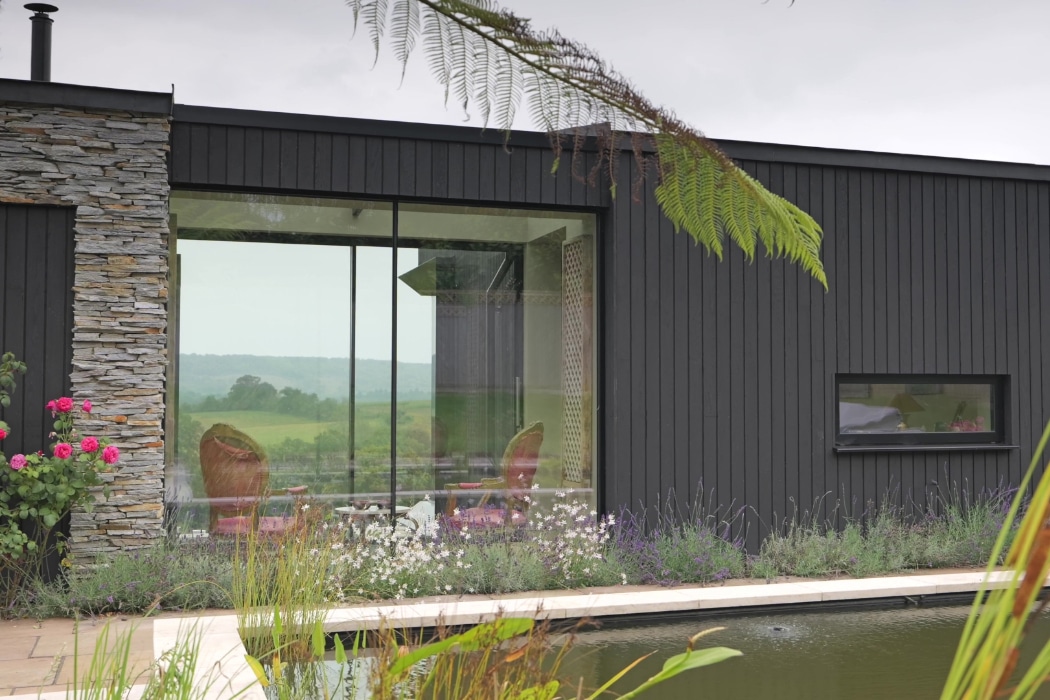
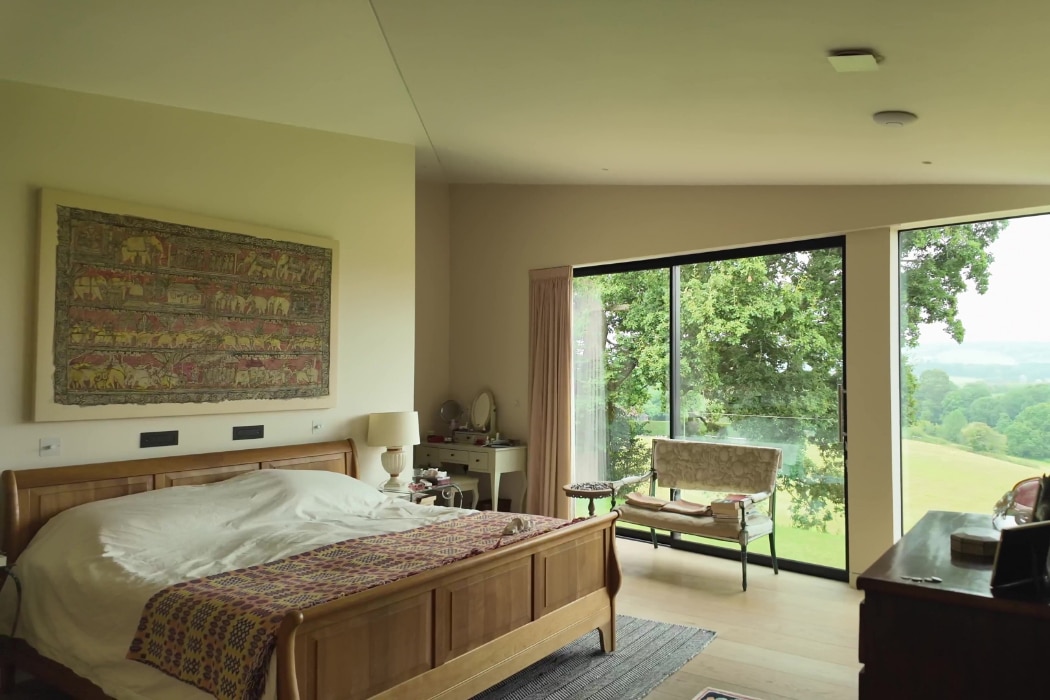
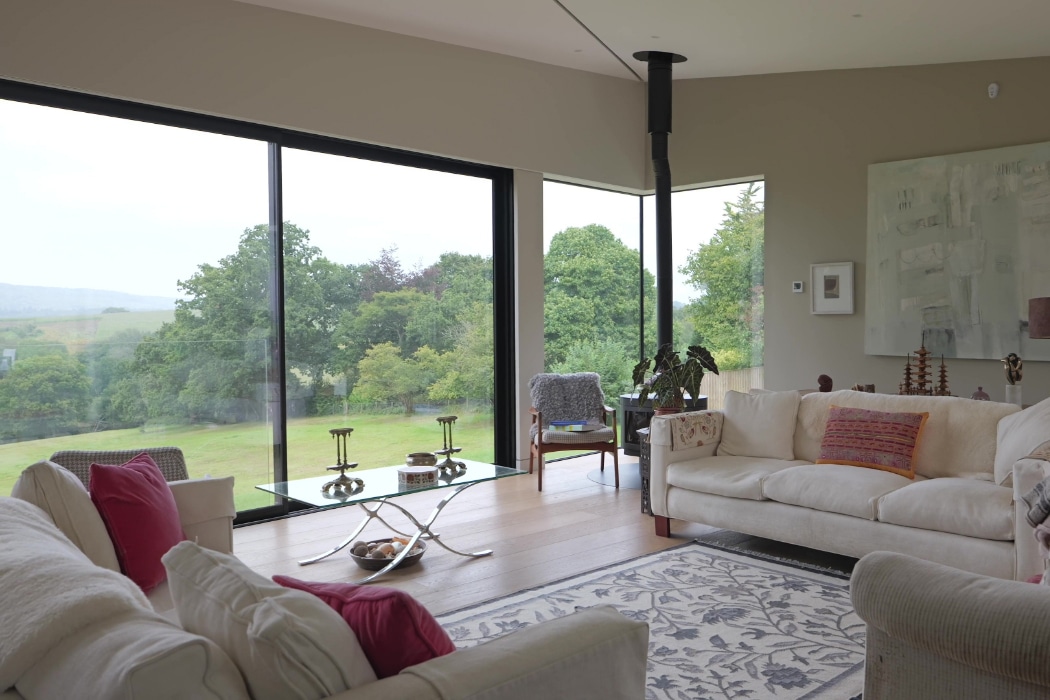
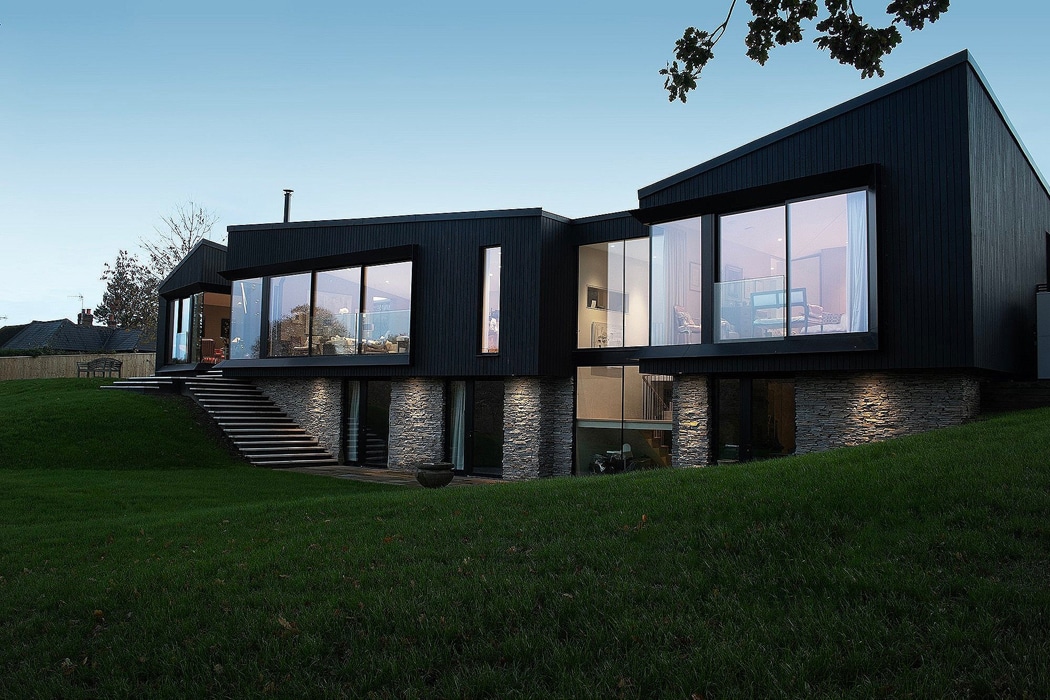
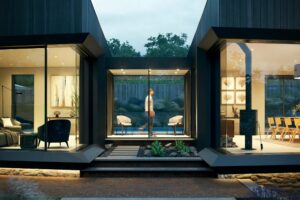
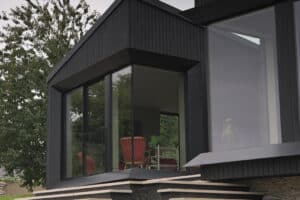
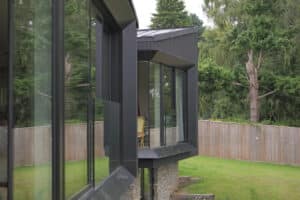
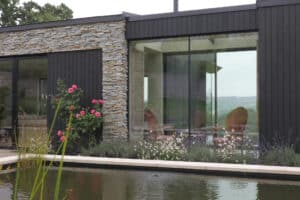
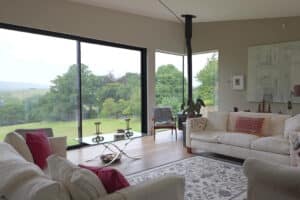
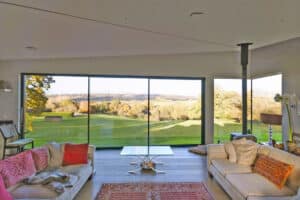
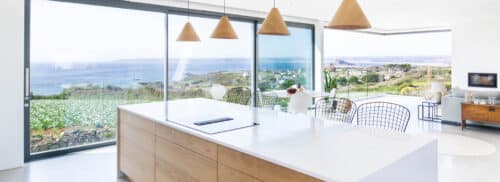
Frameless glass-to-glass corner glazing plays a key role in enhancing lateral views, opening up a visual sweep of more than 180 degrees that captures both the view in the distance and the immediate landscaping.
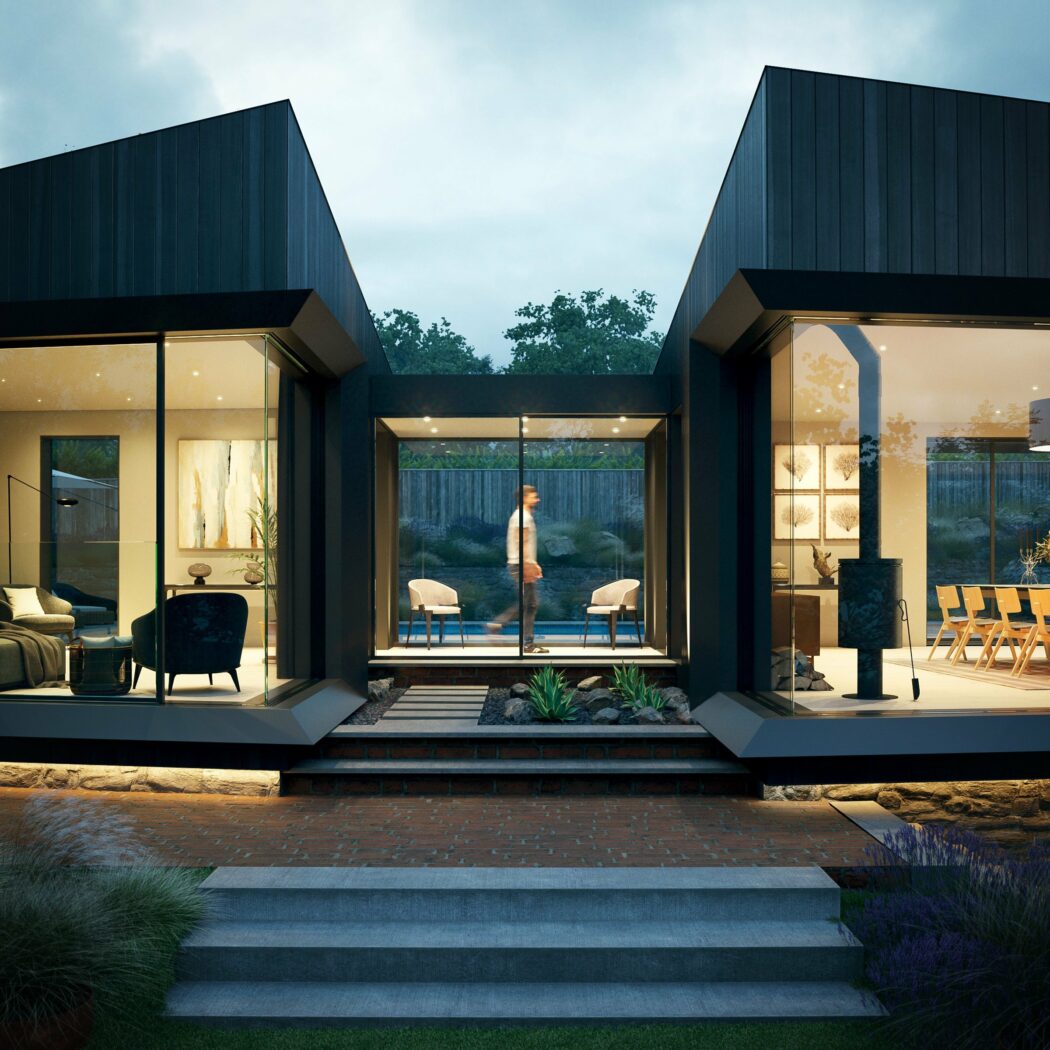
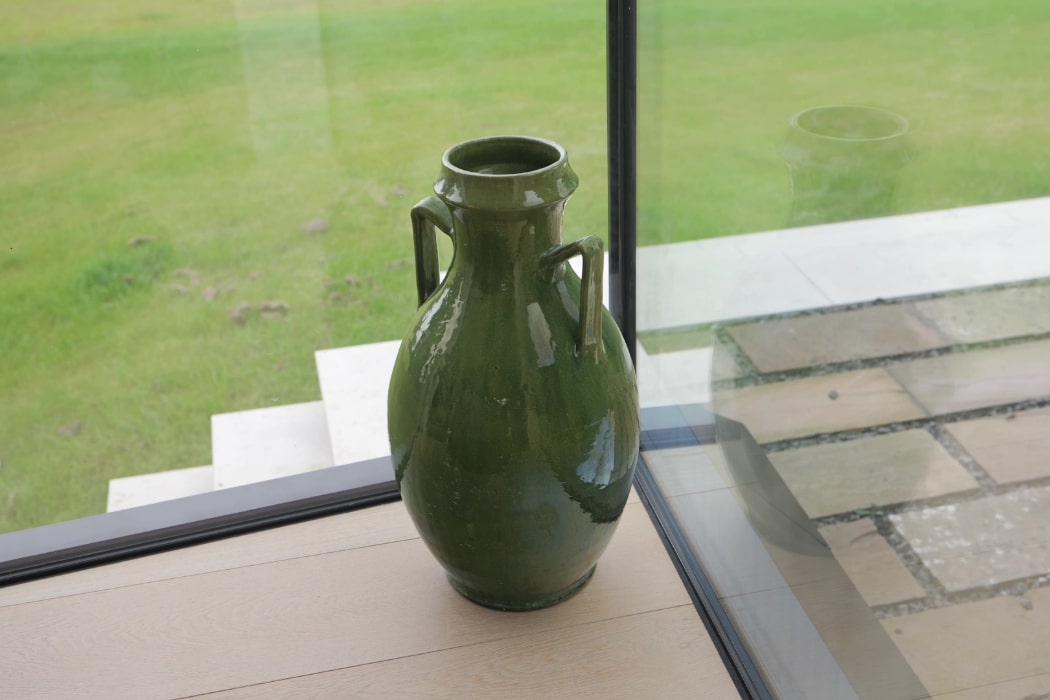
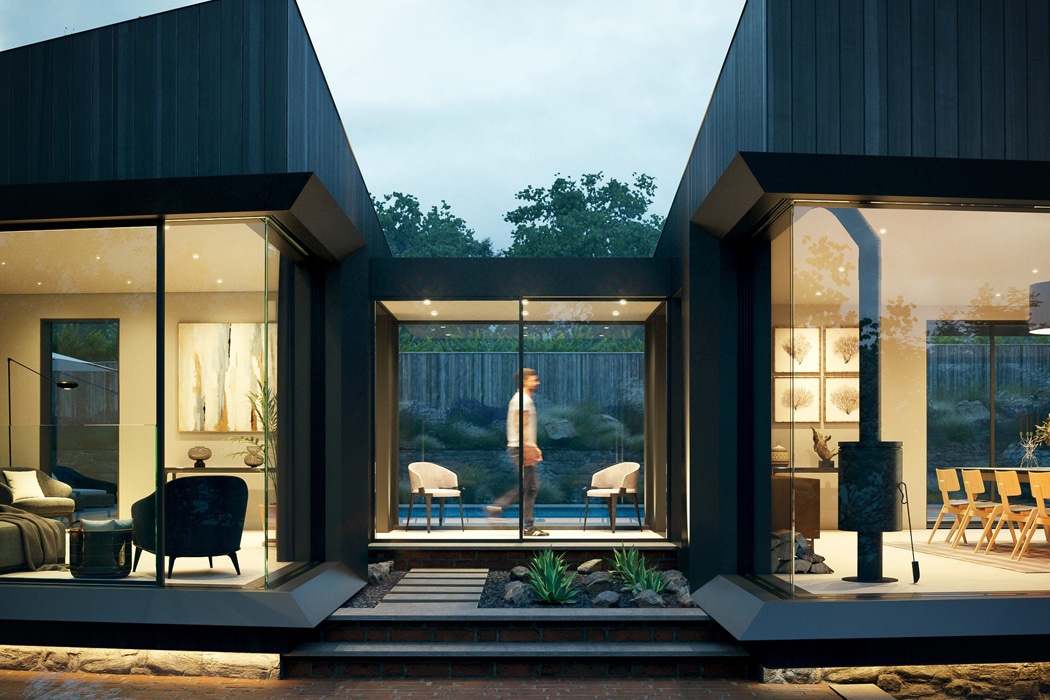
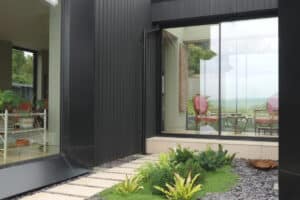
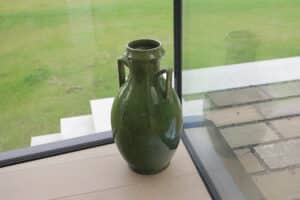
At the southern terrace, glazing was planned so that the view extends straight through the house; standing outside, the eye is drawn through the interior towards the dramatic scenery beyond.
Re-imagining the balcony through glazing
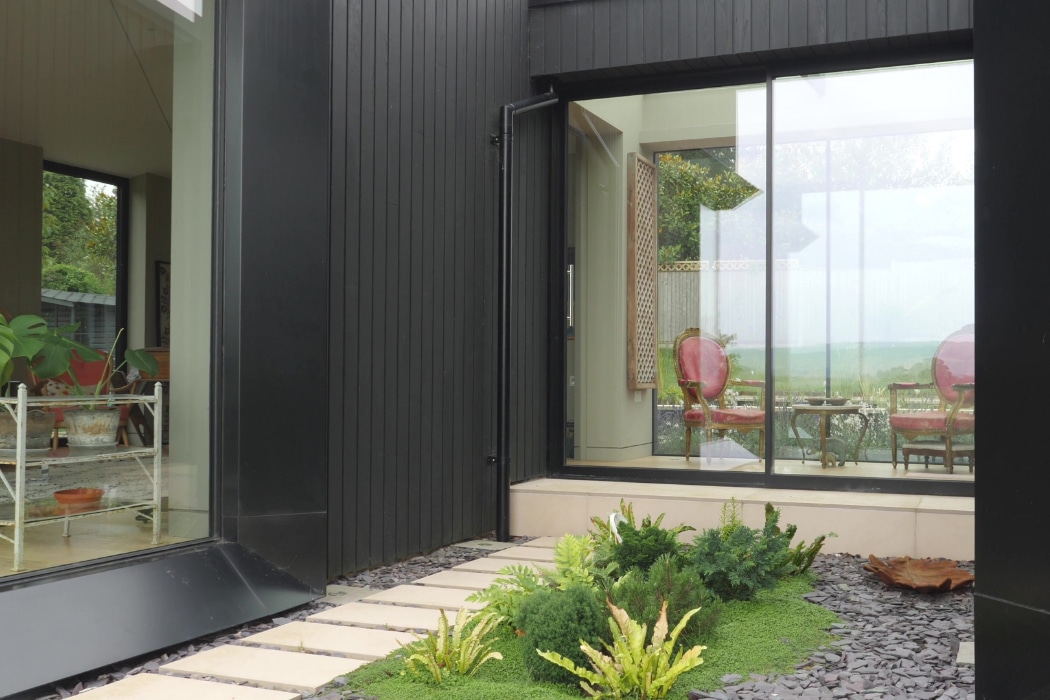
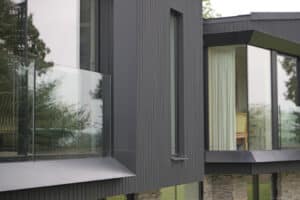
Planning restrictions on additional volume, including balconies and overhangs, presented a challenge. Instead of consuming valuable permitted volume with external structures, the design used IDSystems frameless glass balustrades and sliding doors to create a balcony-like experience within the room.
With large openings and minimal frames, the space becomes effectively dual-purpose: when the glazing is open, the interior transforms into an outdoor room, achieving the benefits of a balcony with none of the planning penalties.
Choosing IDSystems
Following a competitive tender to three glazing specialists, the architects selected IDSystems for their technical expertise and balanced approach to aesthetics, practicality and performance.
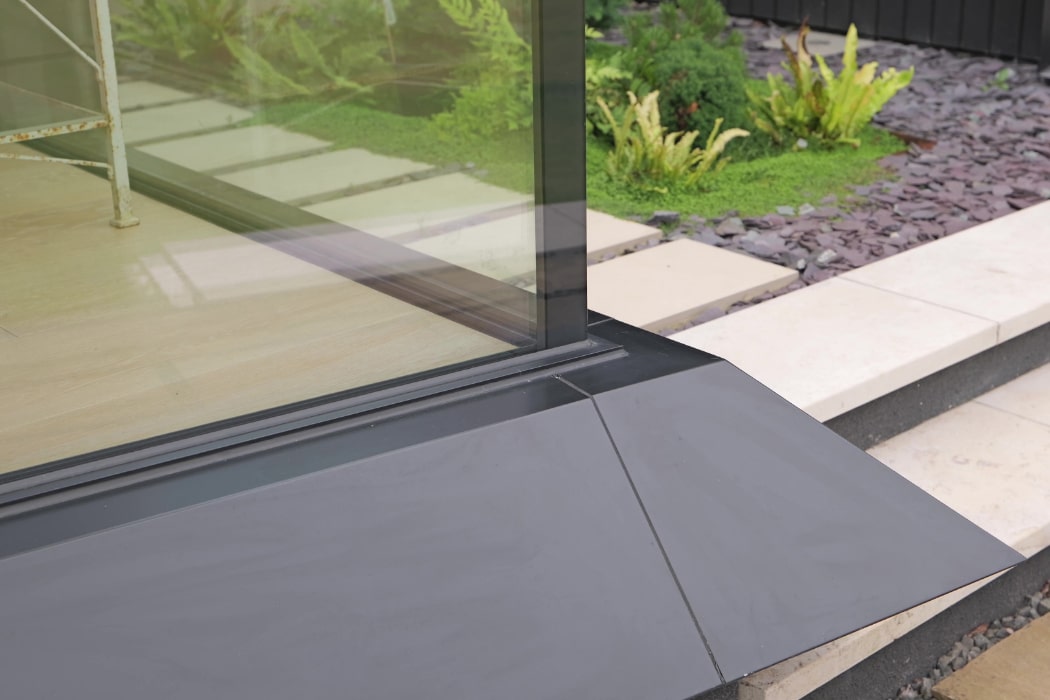
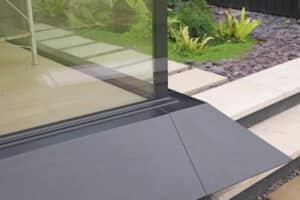
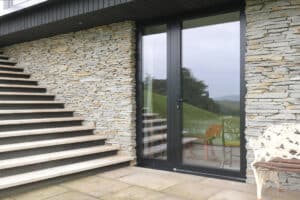
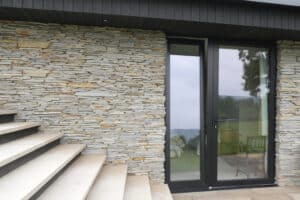
Given the site’s exposed location, the glazing needed to be both robust and visually minimal. theEDGE2.0 sliding doors offered exceptionally slim vertical sightlines to allow for almost uninterrupted views and slender frame depths that reduce the visual bulk. In addition IDSystems reputation for high-performance engineering ensured the products were suitable for an exposed rural setting and being able to source a complete package of products from a single manufacturer was hugely important
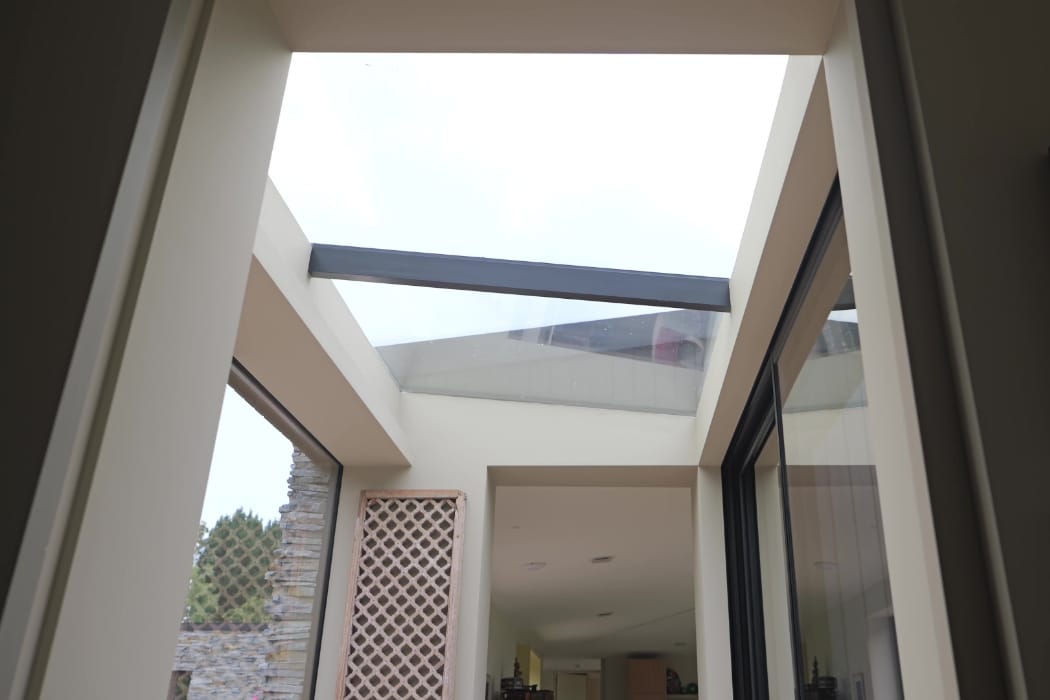
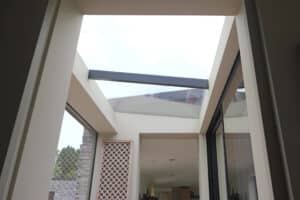
This last point was critical. By supplying fixed glazing, sliding doors, tilt-and-turn windows and bespoke glazed links, as well as a glass roof, IDSystems provided a single point of responsibility – streamlining coordination for architect, contractor and client.
A home shaped by light
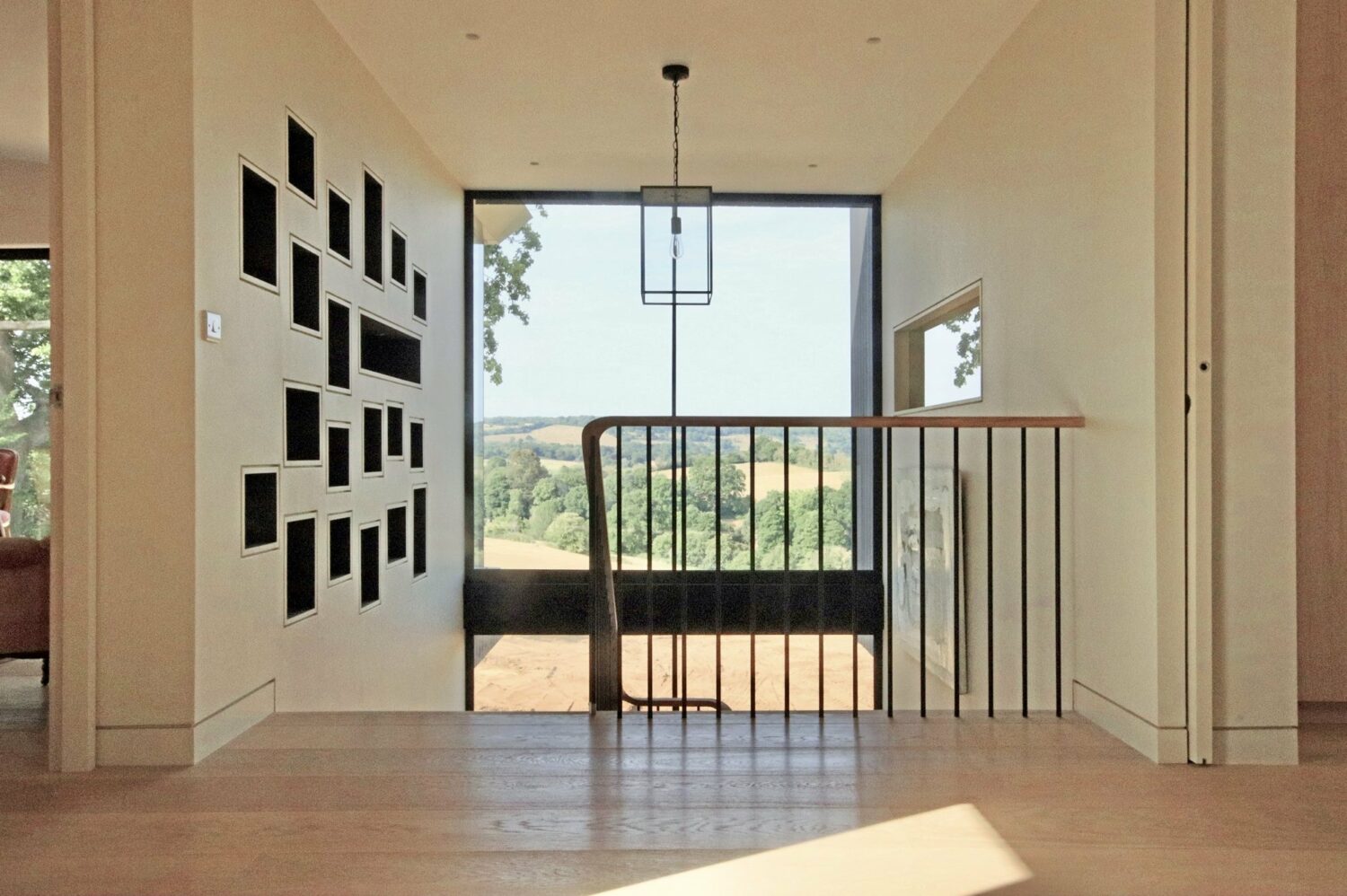
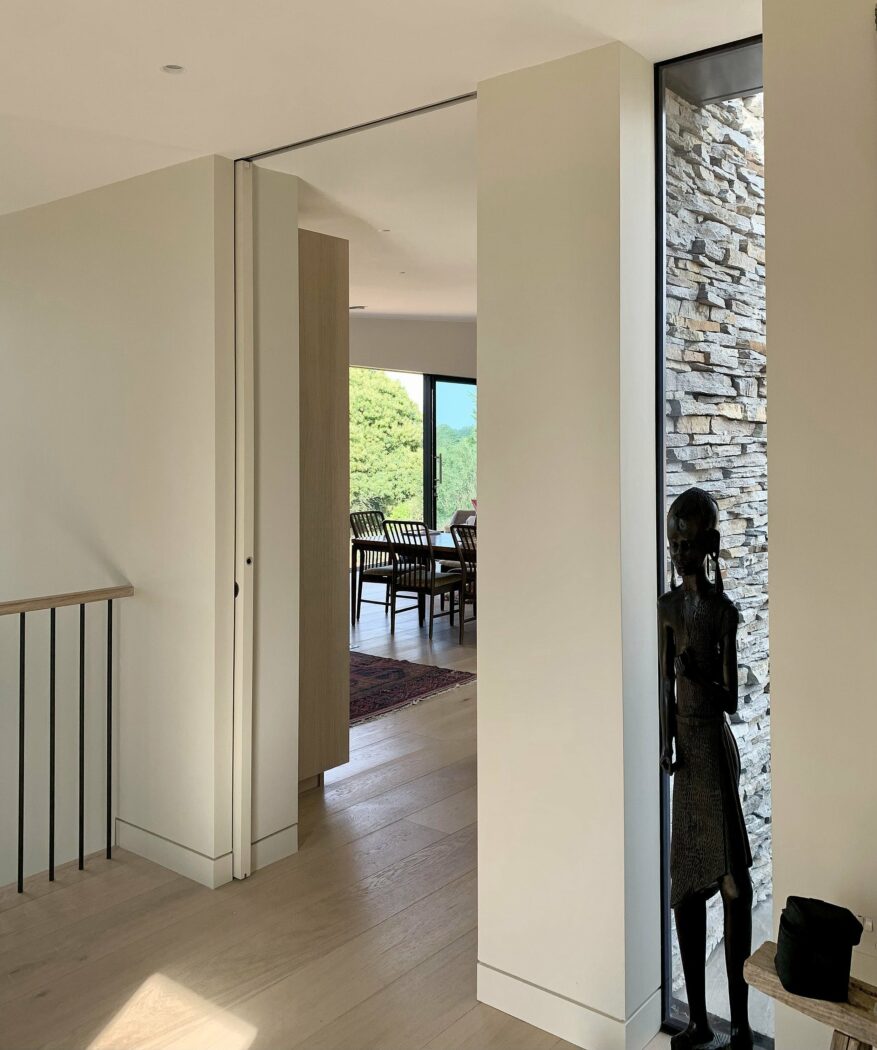
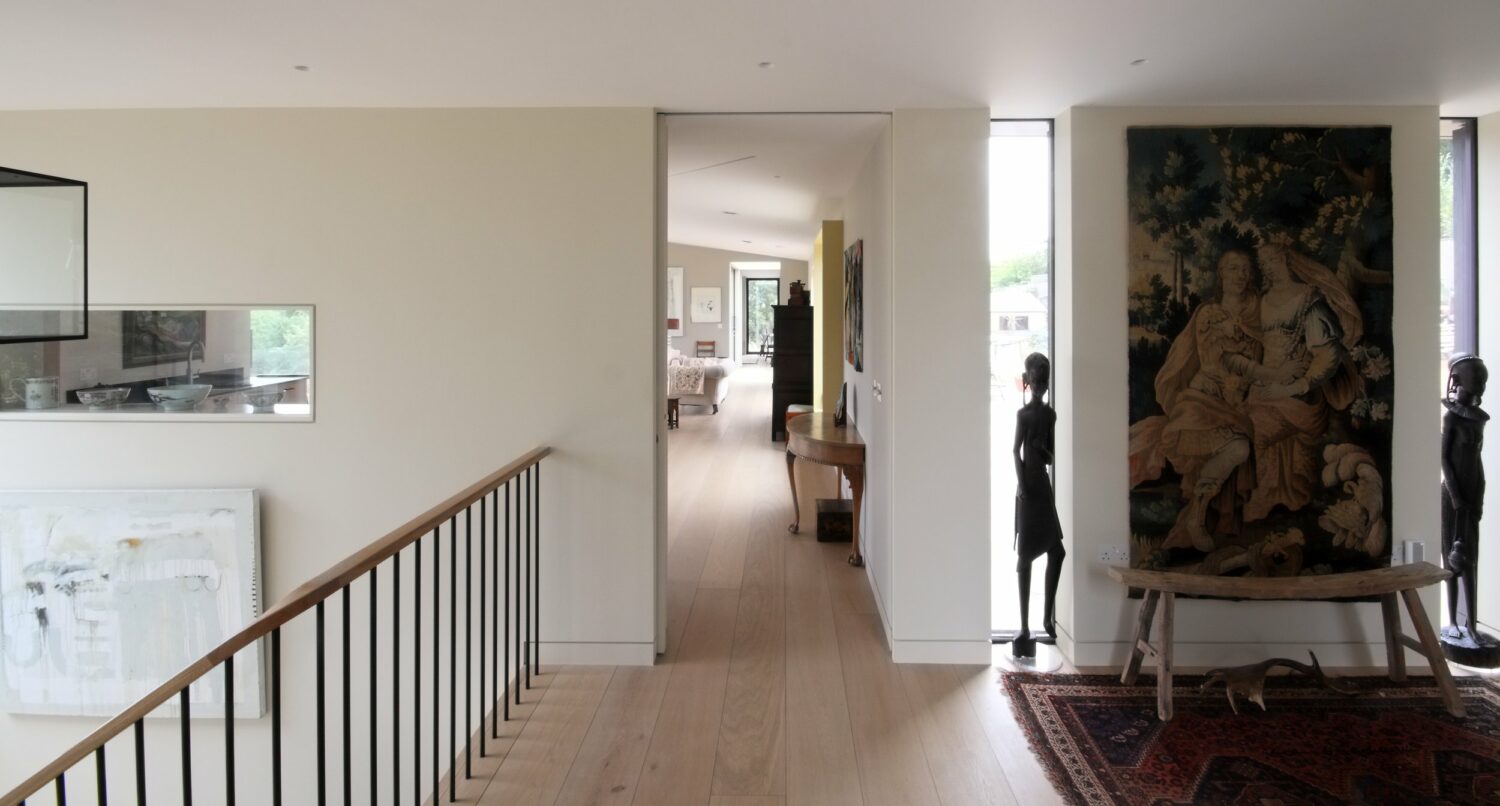
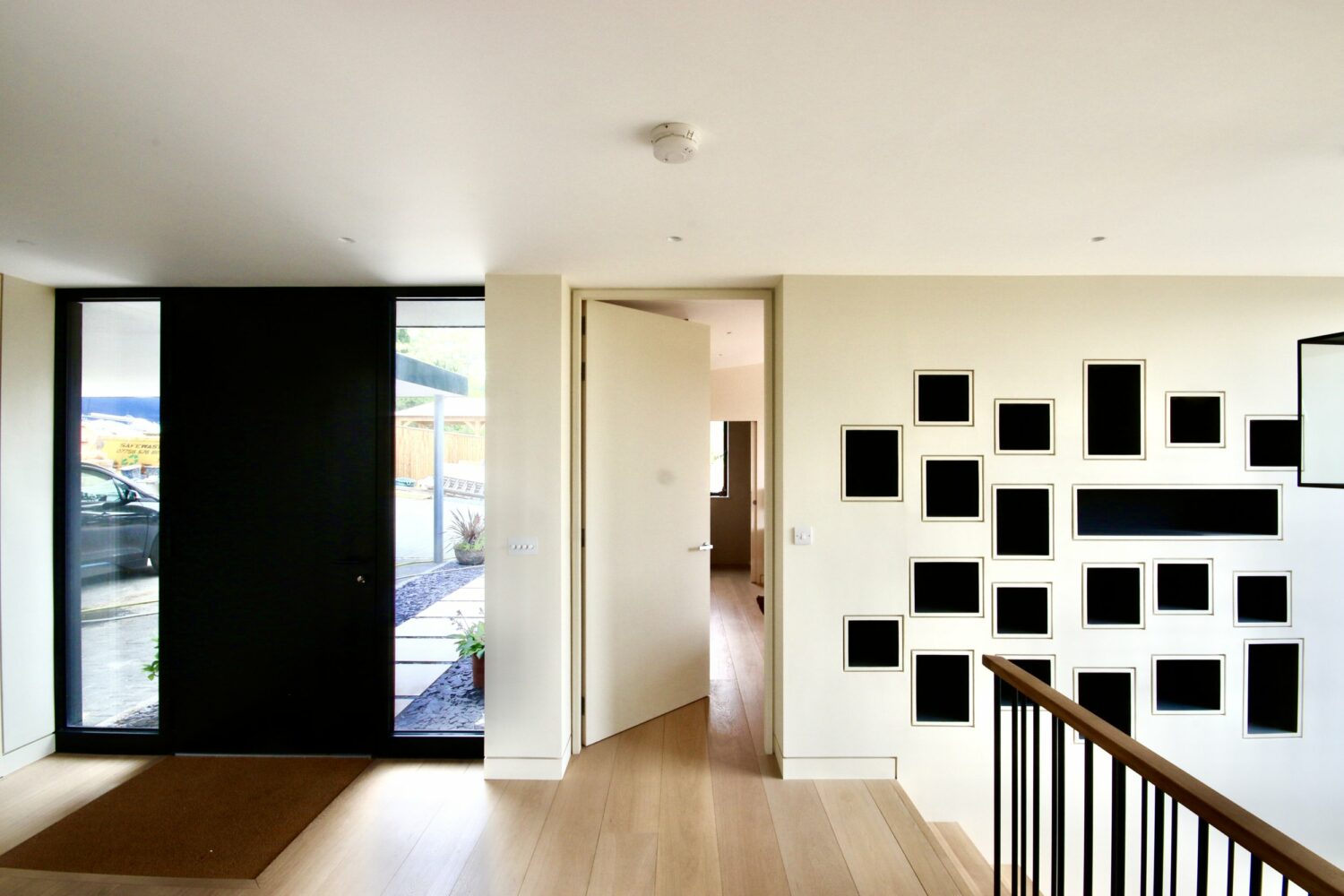
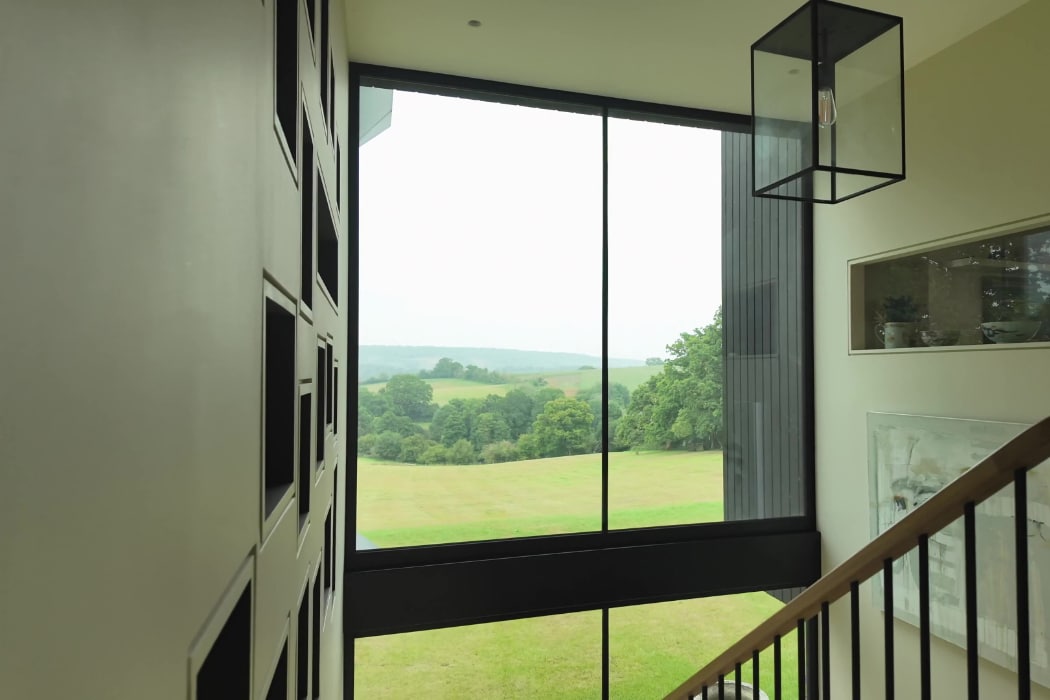
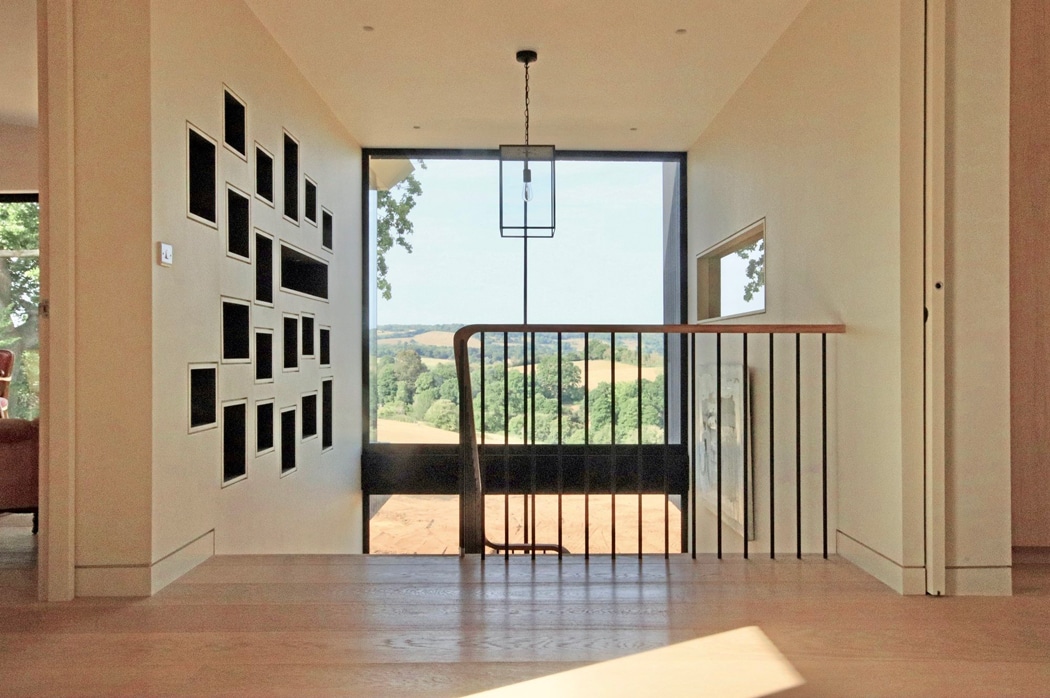
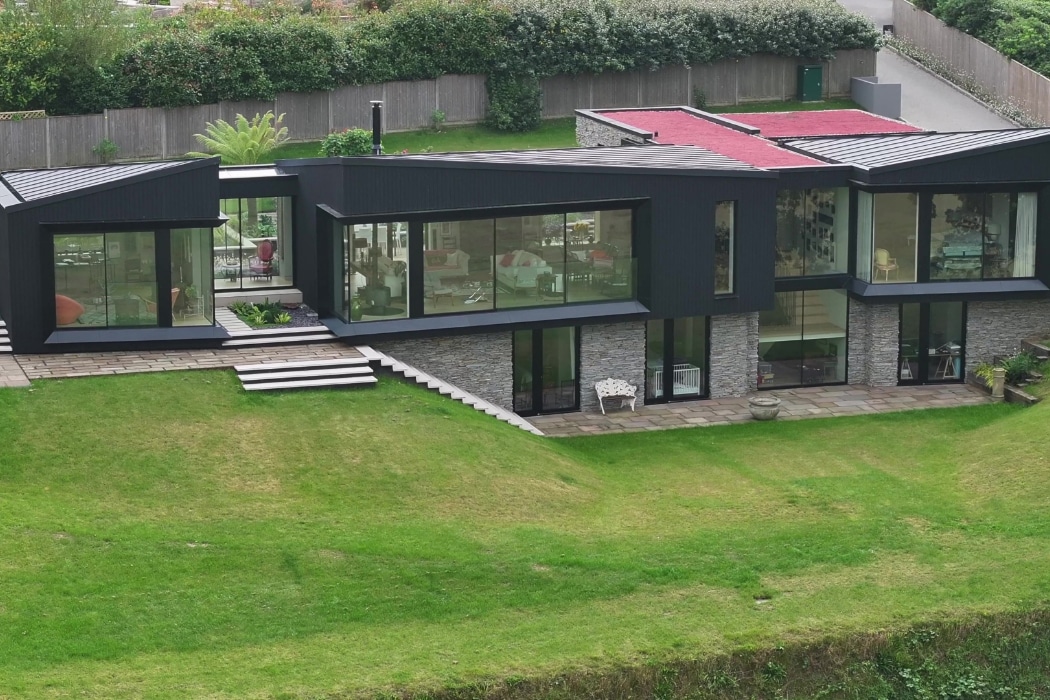
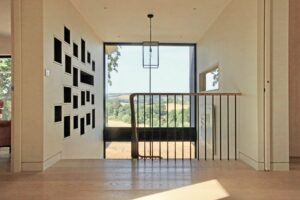
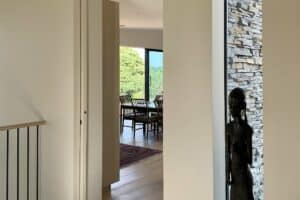
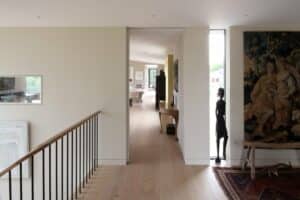
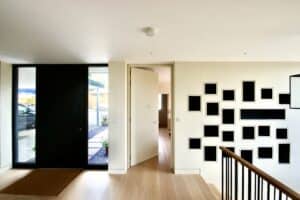
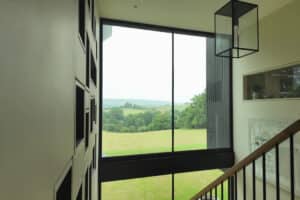
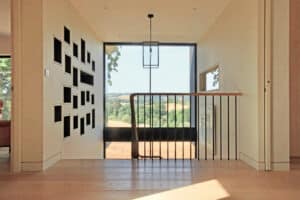
The entrance level is composed of three distinct volumes – the master suite, the main living space, and a separate snug – linked by glazed connections that break up the massing and introduce light into the circulation spaces. A picture window at the stairwell frames the arrival experience and emphasises the changing roof forms above.
A quiet, comfortable, connected home
Both architect and client are delighted with the finished house. The glazing plays an essential role in shaping the comfort, tranquillity and elegance of the internal environment.
“The glazing enables the design to come alive,” explains architect Duncan Foster. The result is a calm, refined and deeply connected home that sits harmoniously within its landscape – made possible by the performance, flexibility and detailing of the IDSystems product range.
Location: Abinger Hammer, Surrey
Architect: Duncan Foster Architects
Main contractor: Luff and Padgett
Photos: Chris Taylor Photography
Gallery