
Aluminium or uPVC – Which is best for bifold and sliding doors?
The properties of your chosen frame materials will affect every aspect of your finished bifold or sliding doors—from aesthetics to durability, cost, and energy efficiency. As the most popular options, both aluminum and uPVC provide benefits, but the factors of your own project will determine which is the best material for you.
This article is not about choosing a definitive ‘winner’, but instead using IDSystems’ expertise and team insights to help you make an informed decision, by providing a clear comparison of each material and aligning them with different use cases.
Table of contents
- Frame materials compared
- Sightlines
- Efficiency
- Durability and maintenance
- Security
- Styles and finishes
- Accessibility and tracks
- Cost
- Which material is right for you?
Frame materials compared
What is aluminium?
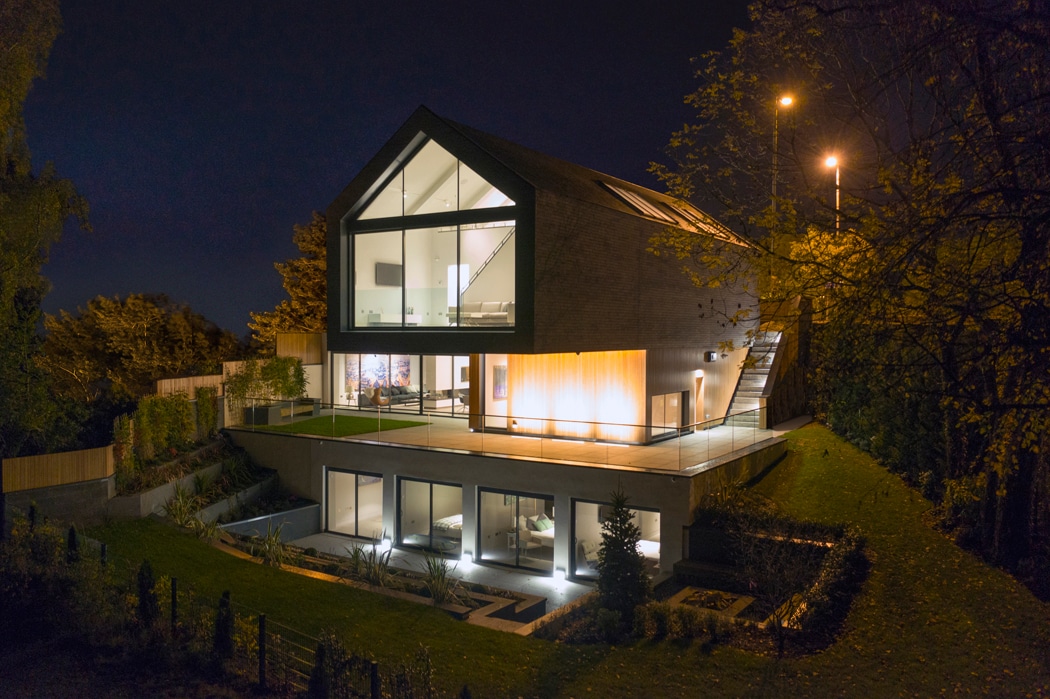
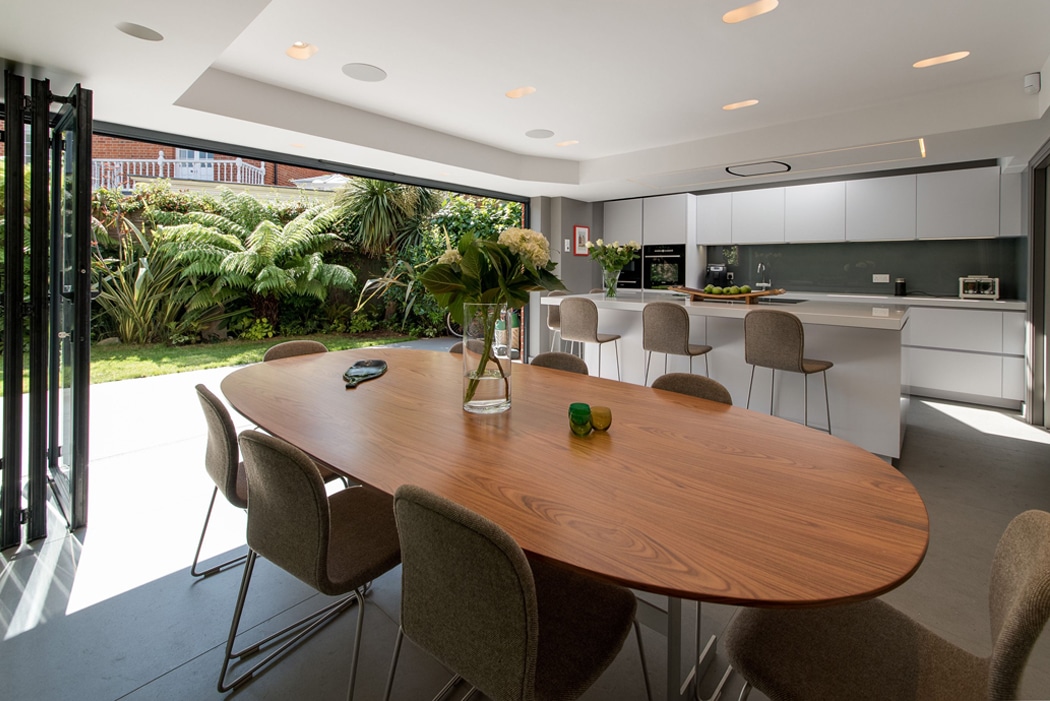
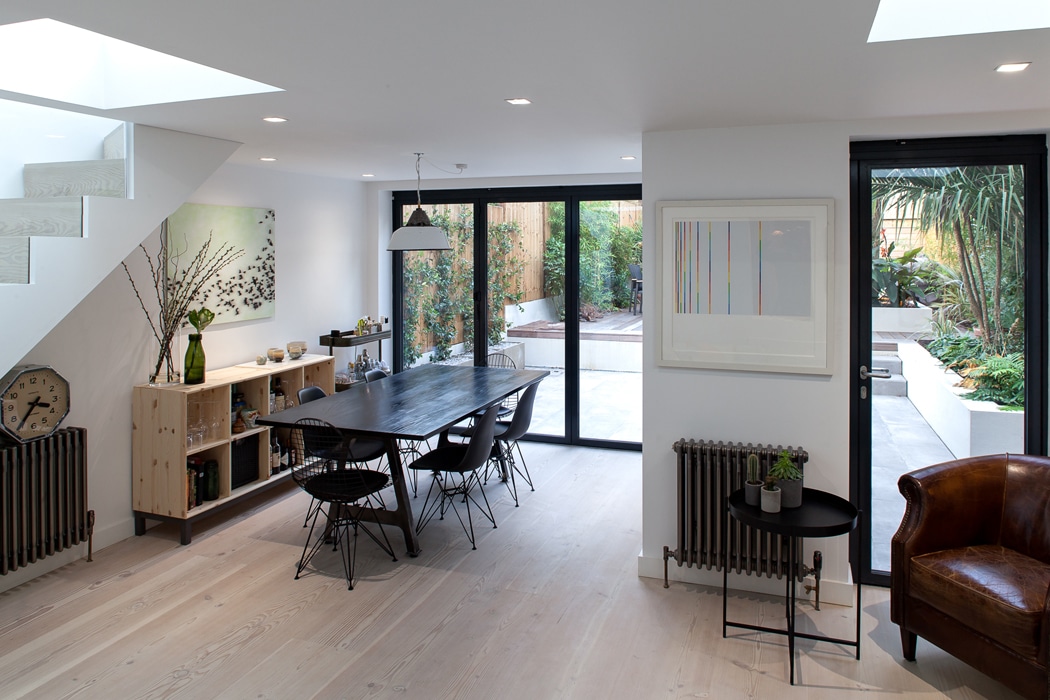
As an inherently strong and lightweight material, aluminium is an ideal choice for large door systems, and is more durable than uPVC. The thin frames and modern look that aluminium creates make it a popular choice for high-end bifold doors.
Check out the key features of our aluminium bifold doors or aluminium sliding doors in more detail.
What is uPVC?
uPVC (unplasticized polyvinyl chloride) is a plastic that became a popular option for windows in the 1980s. As it is a naturally effective insulator, thermal breaks are not required. However, uPVC isn’t anywhere near as rigid as aluminium, meaning that, when it comes to doors, the frames need to be much thicker to support the glass panels. It also has a higher rate of thermal expansion and contraction than aluminium.
Aluminium vs uPVC: A Quick Comparison
| Feature | Aluminium | uPVC |
| Sightlines | Ultra-slim | Thicker/Bulkier |
| Lifespan | Very Long (40+ years) | Long (15-20 years) |
| Maintenance | Very Low | Low |
| Strength | Very High | Limited, especially at larger sizes |
| Cost | Premium | Budget-friendly |
| Colour Options | Extremely Wide (Any RAL colour) | Limited (Mainly white/grey) |
Sightlines
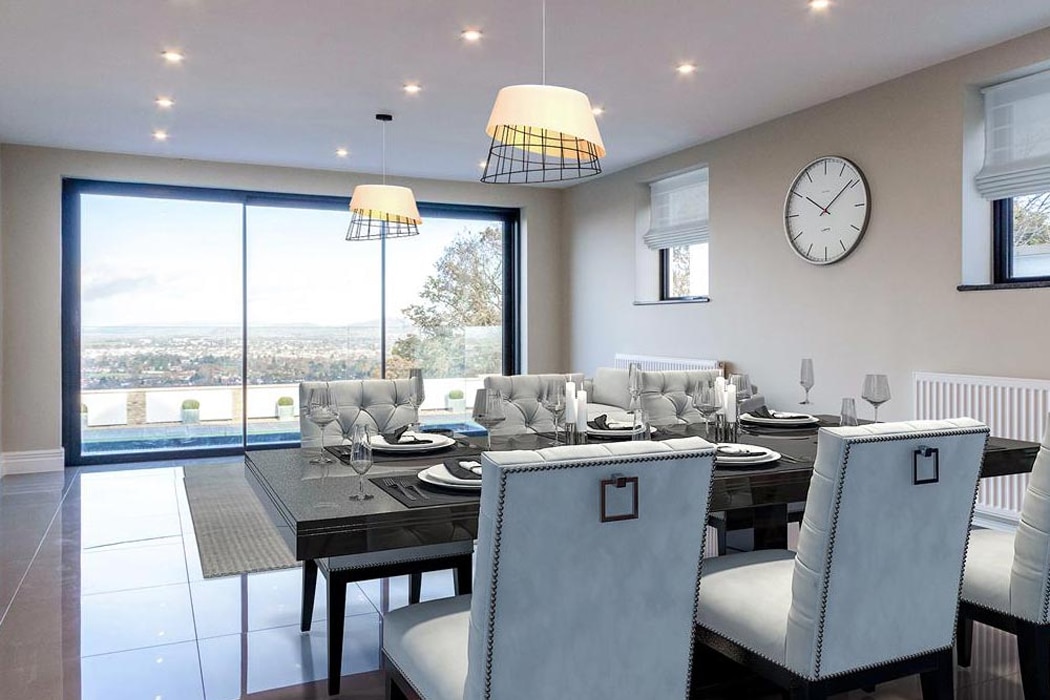
Sightlines refer to the thickness of the frame and how much of your view is visible glass.
“From a design perspective, the slim sightlines of aluminium are a game-changer. You’re essentially buying a glass wall, not a door frame. The strength of aluminium means we can achieve a 95% glass-to-frame ratio, which is simply impossible with the bulkier profile required by uPVC.” – Technical Sales Manager Edward Stobart.
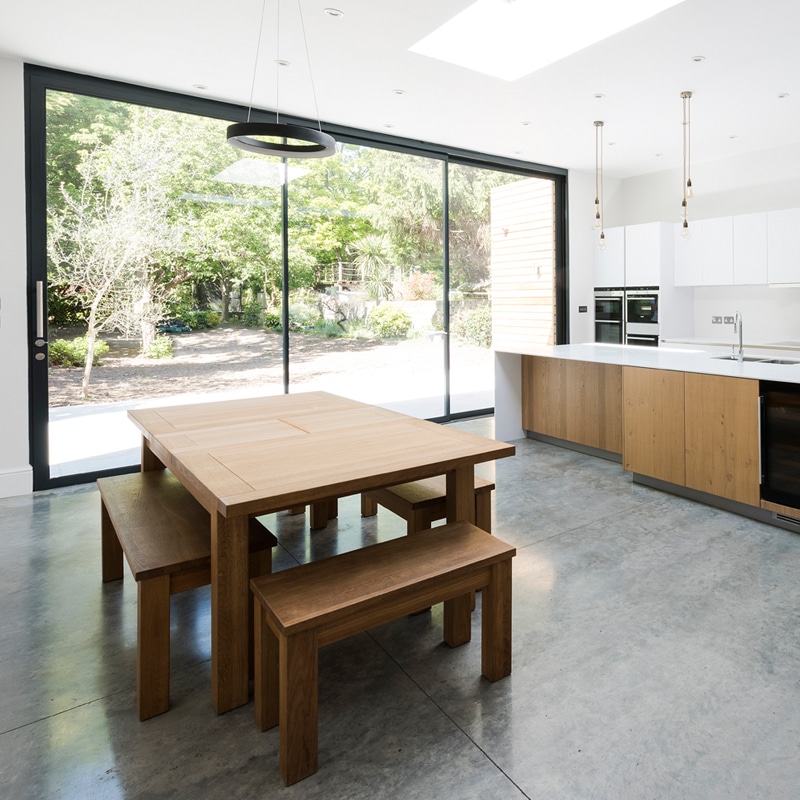
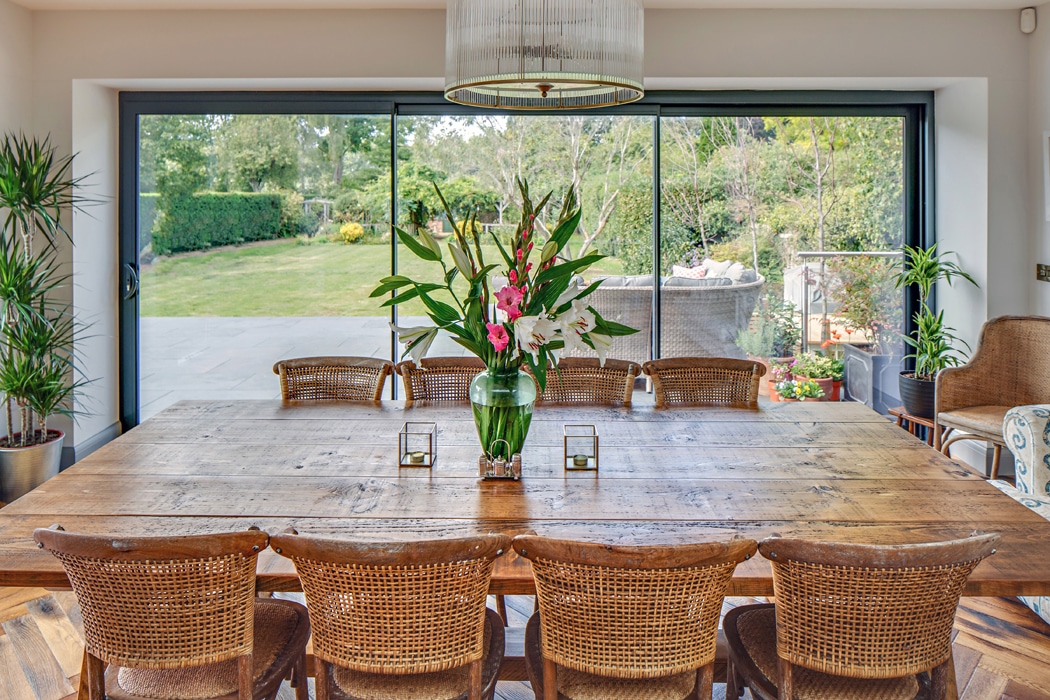
- Aluminium: Because aluminium is so strong, the frames can be made incredibly slim. This maximises the glass area, floods your home with light, and provides near-uninterrupted views.
- uPVC: Being a less rigid material, uPVC requires wider and deeper frames to provide the necessary rigidity and structural support for the heavy glass panels. This results in much wider sightlines and less glass.
Efficiency
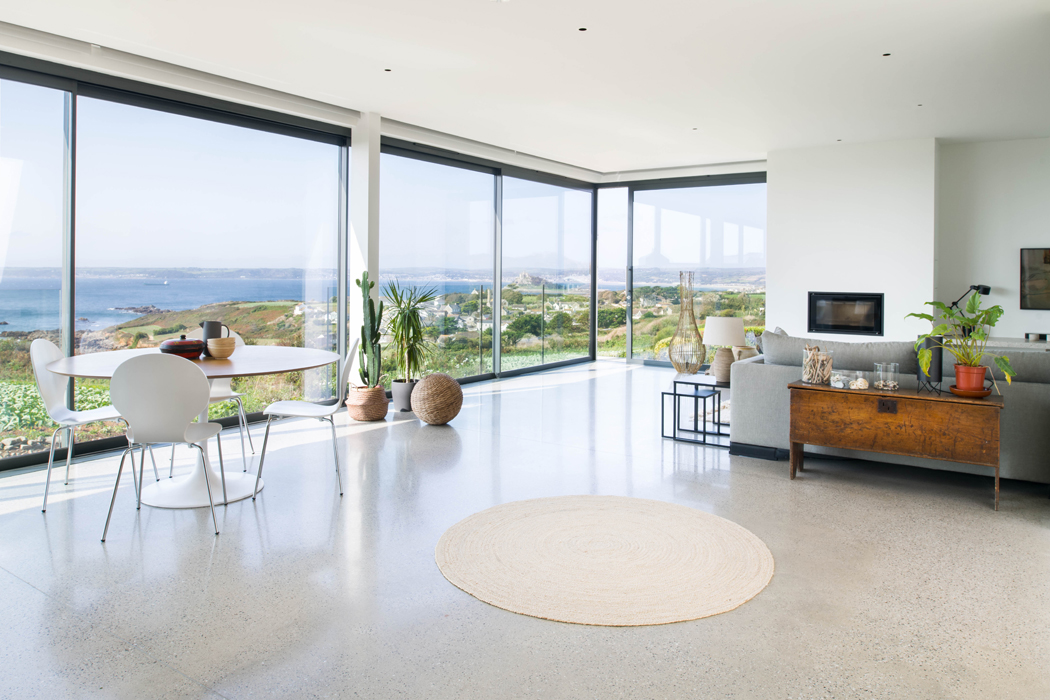
Put into place in 2022, Building Regulations Part L requires both sliding and bifold doors for extensions and replacement works to have a U-value of 1.4 W/m²K (1.2 W/m²K for new-build homes), meaning that all modern door installations will retain heat and increase energy efficiency better than older models.
Aluminium
Previous generations of aluminium doors and windows from the 1970s and 1980s had a reputation for being cold due to the fact that they were forged from a single piece of aluminium which was conductive which allowed cold to transfer from outside to in and heat from inside to out. THe way modern, high-quality aluminium doors are manufactured is completely different, with two separate aluminium frames sandwiching a thermal break which prevents thermal bridging and greatly improves the performance of the systems.
A ‘thermal break’ is a polyamide interlayer between the inner and outer aluminium frames. The larger this thermal break is, the more protected the inner surface is from changes to the external temperature and the more heat that will be retained within the house
uPVC
uPVC is highly energy efficient and, combined with an effective glazing option, can provide good thermal insulation, equivalent to modern aluminium frames.
Durability and maintenance
Aluminium
 Aluminium is exceptionally durable. It does not rust, warp, or corrode. The powder-coated finish is extremely tough, won’t fade or peel, and requires minimal maintenance. The lifespan of the aluminium frame in a door or window can easily exceed 30 years.
All materials expand and contract with temperature, but aluminium’s rate of expansion is very low, ensuring your doors operate smoothly year-round.
uPVC
While also durable and weather-resistant, uPVC has a shorter lifespan, typically 15-20 years. Over time, it can become brittle and may discolour or “yellow” with prolonged exposure to UV light.
uPVC has a higher rate of thermal expansion than aluminium, which can cause issues with alignment on larger door sets. As the doors expand and contract with temperature changes, they can sometimes become difficult to open in hot weather when they expand; meanwhile, they can also contract in colder temperatures, exposing gaskets to the potential for drafts and even water ingress.
Security
True security comes from the locking system, not just the frame. Both materials can incorporate high-security, multi-point locking mechanisms.
- Aluminium: The inherent strength of the material makes the frame itself incredibly robust and resistant to being prised open.
- uPVC: To achieve high security, uPVC frames must be reinforced internally. This is usually with steel and is common in most models.
“You should always look for products that are tested and certified to specifications like PAS 24.” says Edward Stobart. “This is a standard feature on IDSystems doors and ensures compliance with Building Regulations Document Q”.
Styles and finishes
Aluminium
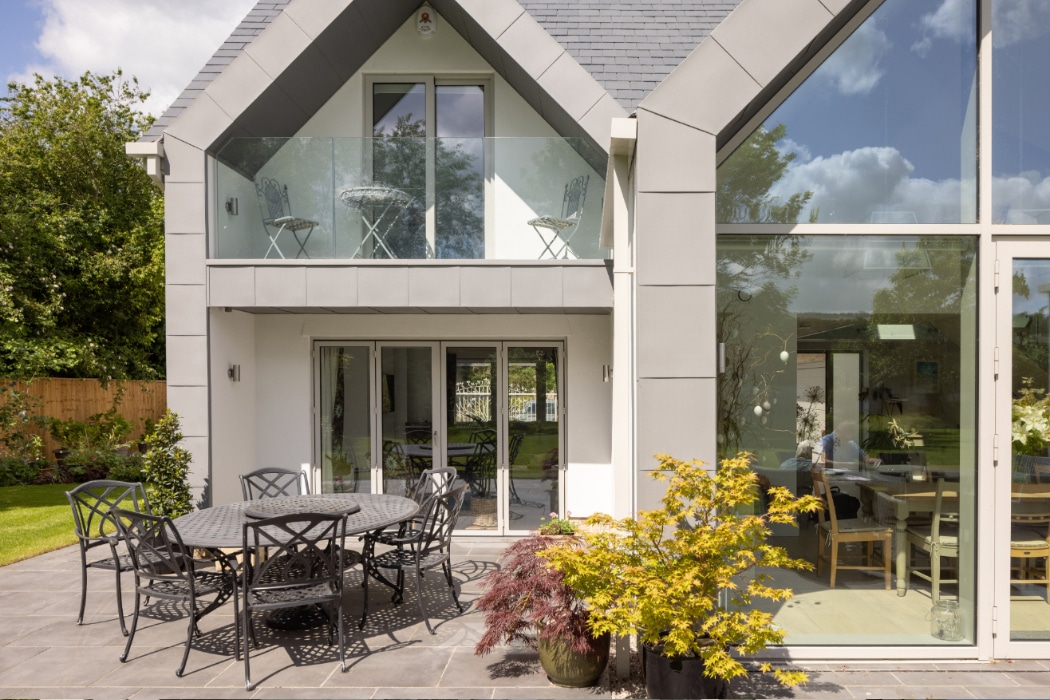
Style is where aluminium truly excels. It’s slender frames can be powder-coated in a huge range of colours, allowing your doors to perfectly match your home’s aesthetic. The extra strength aluminium provides means that frames can be thinner and support larger glass panels, allowing for a wider range of configurations and panel sizes.
Such versatility means aluminium can suit everything from ultra-modern homes to traditional properties, such as our Heritage bifold doors.
uPVC
Style options are much more limited with uPVC. While colours and finishes are available, the vast majority of uPVC doors will be either white or grey. Where foiled finishes are used to colour uPVC frames these have a limited like span of 15-20 years. Because the frames of uPVC doors are extruded in a mould, the profiles tend to be chamfered or curved, rather than the contemporary square-edged frames that aluminium can create.
“The customisation with aluminium is limitless.” says Edward Stobart. “We can powder-coat frames in any of over 200 RAL colours, from a textured anthracite grey for a modern look, to a specific heritage green to match art-deco style window frames”.
Accessibility and tracks
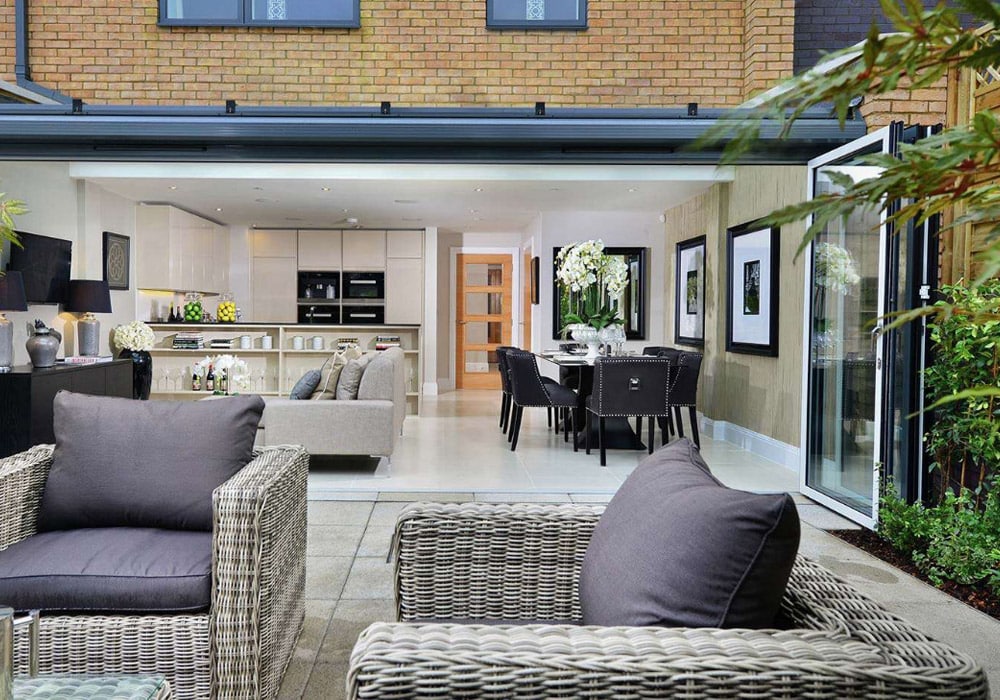
- Aluminium: The strength of aluminium allows for more sophisticated and robust track systems, including the option for a flush track, which sits level with your internal floor, creating a seamless, trip-free transition between inside and out.
- uPVC: While low thresholds are available for uPVC doors, achieving a completely flush track is more difficult due to the material’s structure and the required frame thickness.
“A truly flush track is one of the biggest requests for creating that sense of ‘bringing the outside in’ to your living space,” says Edward Stobart. “With aluminium doors, we can engineer a robust, weather-rated, and fully recessed track that sits level with your floor. With uPVC, the material’s lower rigidity and structure mean you’ll almost always have some type of raised threshold.”
Cost
| Material | Door type | No.of panels | Approximate cost (excluding fitting) |
| uPVC | uPVC bifold door | 4 | £3,700 ex VAT |
| Aluminium | SF75eco aluminium bifold door | 3 | £6,150 ex VAT |
- Aluminium: Aluminium is a premium material, and the initial price may reflect that. But any additional cost can be seen in the sightlines, styling and durability that aluminium doors can provide.
- uPVC: Generally, the more cost-effective option, uPVC’s affordability is not only reflected in the initial cost, but comes with potential costs in the long term. While it is not as long-lasting as aluminium, uPVC doors will typically last 15-20 years, making them a short-medium term investment that will need replacing in time.
“Whether sliding or bifold, aluminium doors are a ‘fit and forget’ investment,” says Edward Stobart. ”The doors last twice as long, operate flawlessly for decades, and add significantly more long-term value and ‘wow factor’ to a property.”
Which material is right for you?
You should choose uPVC if:
- Your primary concern is a lower upfront cost.
- You have a smaller aperture (under 2.5 metres wide) and can live with bulkier frames and less glass.
You should choose aluminium if:
- Slim sightlines and maximising your view are top priorities.
- You want the widest possible choice of colours and finishes.
- You are looking for the most durable, lowest-maintenance, and longest-lasting option.
“For us, the choice is clear.” Says Edward Stobart. “While uPVC has its place for simple replacement windows on tight budgets, aluminium is the only material that delivers on all fronts for doors and windows: maximum views, total design freedom, minimal maintenance, and a lifespan that matches the property itself. It’s a no-compromise option for a feature like bifold or sliding doors.”
Ready to choose your doors?
At IDSystems, we specialise in manufacturing and installing the most thermally efficient aluminium bifold door on the market, the SF75eco. If you’re looking for sliding doors, theEDGE 2.0’s award-winning design offers ultra-thin sight lines without compromising on security or thermal efficiency. We believe their superior strength, aesthetics, and lifespan offer the best possible value and performance for our customers.
Ready to get started? Explore our full range of bifold doors and aluminium sliding doors, check out the SUNFLEX SF75eco in our virtual showroom, or learn more by requesting a quote from our expert team.

Gallery